
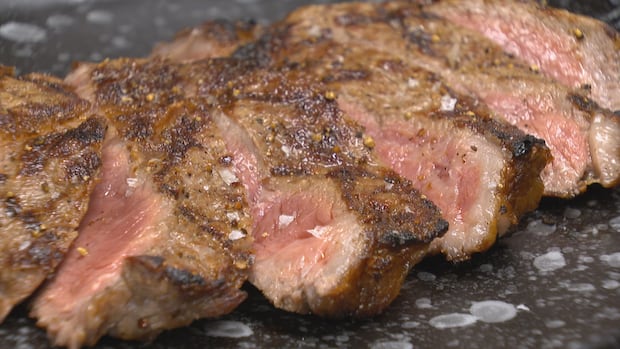

After experiencing years of rising beef costs, Canadians might finally see some relief from the high prices of their preferred steak or roast at the supermarket.
According to Statistics Canada, beef prices increased by 8.7 per cent in September compared to the same month last year and have surged by 55.5 per cent over the last five years.
While prices remain unprecedentedly high, industry analysts indicate that there are signs of stabilization, with grocery prices holding steady for much of 2026.
“The peak of price increases is likely behind us,” stated Brenna Grant, executive director of Canfax, a beef statistics organization based in Calgary.
“We’ve seen significant price hikes in the past four years and any future adjustments will likely be more gradual.”

Brenna Grant, executive director of Canfax, indicates that the peak of beef price surges might be over, yet Canadians shouldn’t anticipate substantial price drops. (Ina Sidhu/CBC)
Increasing cattle numbers
The size of Canada’s cattle herd is on the rise following years of decline.
As of July 1, 2026, Statistics Canada reported 12.1 million cattle and calves on Canadian farms, marking a 3.2 per cent increase from the previous year, which is the largest annual growth since 2004.
-
Analysis
Beef prices are soaring. Here’s why Canada is facing record-low cattle numbers
-
Grilling pains: Why your BBQ may cost more this summer
The industry has faced challenges due to years of drought in Western Canada and the U.S. Midwest, escalating feed expenses, and decreasing herds.
In southern Alberta, rancher Michael Munton is noticing a change.
Munton runs Benchmark Angus near Warner, Alberta, and also has a processing plant in Picture Butte, Alberta.
He remarked, “This summer, prices reached the highest levels ever seen in the beef market, and we’re beginning to observe a decline.”
Munton indicated that ranchers are eager to expand their herds but are encountering challenges that are out of their hands.
“Everything hinges on the weather; if we receive adequate moisture this winter and in the spring, we should see some market stability,” Munton noted.
He warned that dry weather could compel producers to sell cattle, hindering recovery efforts.
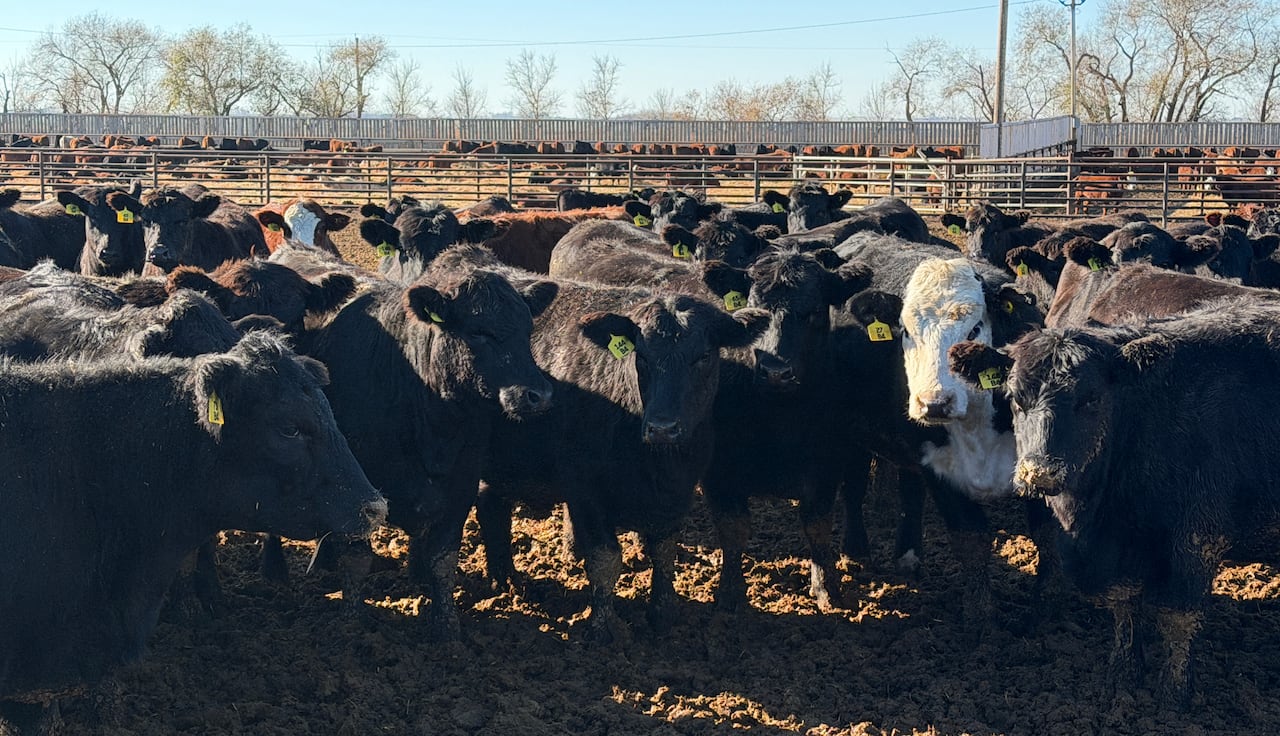
Cattle are seen in a feedlot in southern Alberta. While Canada’s cattle herd is growing after years of decline, experts caution that it may take time for consumers to experience price reductions at the grocery store. (Ina Sidhu/CBC)
Prospects for beef prices in 2027
Experts advise that consumers should not anticipate a drastic decrease in prices at the meat counter.
Kevin Grier, a livestock market analyst from Guelph, Ontario, mentioned that North American beef supplies continue to be limited, while demand remains strong despite the high prices.
“The only potential for lower prices is if Canadian consumers suddenly decide they no longer want beef, resulting in decreased demand,” he explained.
Grier cautioned that North American cattle inventories might tighten even further in 2027 as ranchers retain breeding stock. This would lead to a decrease in the number of cattle available for slaughter in the short term, even as producers strive to boost supply in the longer term.
Whether this will lead to increased beef prices will depend on consumer demand, he added.

Stephen Deere, owner of Modern Steak in Calgary, notes that escalating beef prices are impacting restaurant profits and altering customer ordering habits, with some choosing to forgo appetizers or side dishes to enjoy their preferred steak. (Ina Sidhu/CBC)
The demand for beef remains strong in restaurants as well.
At Modern Steak in Calgary, owner Stephen Deere stated that high beef prices are compressing margins and have compelled him to raise menu prices by up to 10 per cent this year.
“No one wants to do it; it’s a last resort,” he expressed. “Ultimately, when you run a prime-grade steakhouse, it’s all about prime-grade beef, and there’s no substitute for that.”
Deere observed that customers are not necessarily abandoning their favorite steaks but are finding alternative ways to save on their bills.
“I don’t see many people downsizing their usual orders. If I order a ribeye, I’m still ordering a ribeye,” Deere explained.
“What they might do is skip one appetizer, one side, or one drink.”
Is the high cost of beef the new standard?

Michael Munton, owner and operator of Benchmark Angus in southern Alberta, notes that while Canadian cattle herds are increasing after years of drought, continued growth will hinge on favorable weather conditions for grazing lands. (Ina Sidhu/CBC News)
Despite the recovery in cattle supplies, experts believe that beef prices are unlikely to revert to the levels Canadians paid several years ago.
For ranchers, the financial dynamics of beef production have shifted significantly.
Munton commented, “The costs associated with infrastructure, machinery, and equipment are exorbitant, and the profit margins we operate on are extremely thin.”
These escalating costs permeate the entire supply chain, including transportation and fuel, as noted by Grant, and have transformed the economics of beef production.
“It’s quite rare for retail prices to decrease significantly,” Grant remarked.
“Any relief would likely be minimal and may apply to only certain cuts.”