
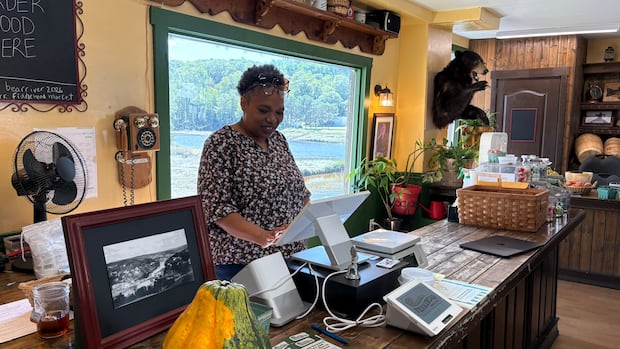

Skyrocketing prices. Extended travel durations. Subpar produce quality. Food scarcity.
These issues contributed to the growing discontent among residents of Bear River, N.S., a small rural community located in the Annapolis Valley, regarding their grocery shopping experiences at large, mainstream retailers.
“The prices are just outrageous,” expressed Bear River local Drew Tozer. “You end up with produce that has been sitting on trucks for 48 hours… It’s often half-spoiled because Nova Scotia is at the tail end of the food supply chain.”
Fellow resident Amy Rubin remarked, “You look at your total, and you think, is this really how much I’m handing over to this massive grocery chain that doesn’t appear to care about us?”
In recent years, there has been a growing backlash against major grocery chains due to escalating prices, concerns over labelling, weighing methods, price disparities, unfair practices, and security issues at some of the nation’s largest grocery chains.
In response, some community members in Bear River opted to take action themselves.
After conducting meetings, crafting a business plan and grant request, reaching out to local suppliers, and using paintbrushes to enhance a storefront, a new community-operated grocery store opened its doors in July.

Bear River is a community of approximately 1,000 residents, located at the intersection of Annapolis and Digby counties. The co-op is housed in a historic structure elevated above the river. (Dave Laughlin/CBC)
Currently, Fiddlehead Market Co-op boasts 130 members — a notable achievement given Bear River’s population of around 1,000.
The co-op provides fresh produce, meats, dairy items, dry goods, pantry essentials, bulk products, cleaning supplies, and a limited selection of takeout meals.
While anyone is welcome to shop at the co-op, individuals have the option to purchase a $100 share to become a member, which grants them voting rights on the co-op’s operations and decisions regarding surplus profits. Alternatively, individuals can volunteer their time as a means of membership.

Drew Tozer serves as the chair of Fiddlehead Market Co-op’s board of directors. (Frances Willick/CBC)
Tozer believes that Bear River’s small size will actually benefit the co-op in the long run, as it fosters a sense of community connection and accountability.
“The response has been incredibly positive,” Tozer, who chairs the board, stated. “There’s a deep sense of pride and ownership among the people involved. It’s more than just a grocery store; it evokes strong emotions in the community.”
Besides the co-op, Bear River offers a few other grocery alternatives, such as a convenience store that provides hot meals, a gas station, and a seasonal farmers’ market that operates biweekly.
Tozer noted that the co-op collaborated with local businesses to ensure they addressed gaps in food availability without competing against existing establishments.

Some residents in Bear River, N.S., opened Fiddlehead Market Co-op, bringing affordable prices, fresh produce and local convenience to the area. The CBC’s Frances Willick reports.
The nearest major grocery stores are a 15-minute drive to Digby or a 25-minute drive to Annapolis Royal, which poses a challenge for a community lacking public transportation and for individuals without vehicle access.
According to Tozer, Fiddlehead aims to source items from local suppliers whenever possible, ensuring that food remains fresher for longer periods and that financial resources stay within the community instead of being sent to corporate entities in other provinces or countries.
Utilizing local sources also aids in keeping some prices lower than those at big-box retailers, leading to pleasant surprises for some customers.
“There are numerous items that are significantly cheaper — to the point that I sometimes double-check,” remarked Rubin, who recently purchased lettuce for $1.75.
Rubin highlighted that the co-op is assisting Bear River in establishing a dependable food supply amidst unpredictable times.
“We’re living in uncertain times concerning tariffs and trade,” she noted. “Building a sustainable source for our necessities is very reassuring and feels ethically right.”
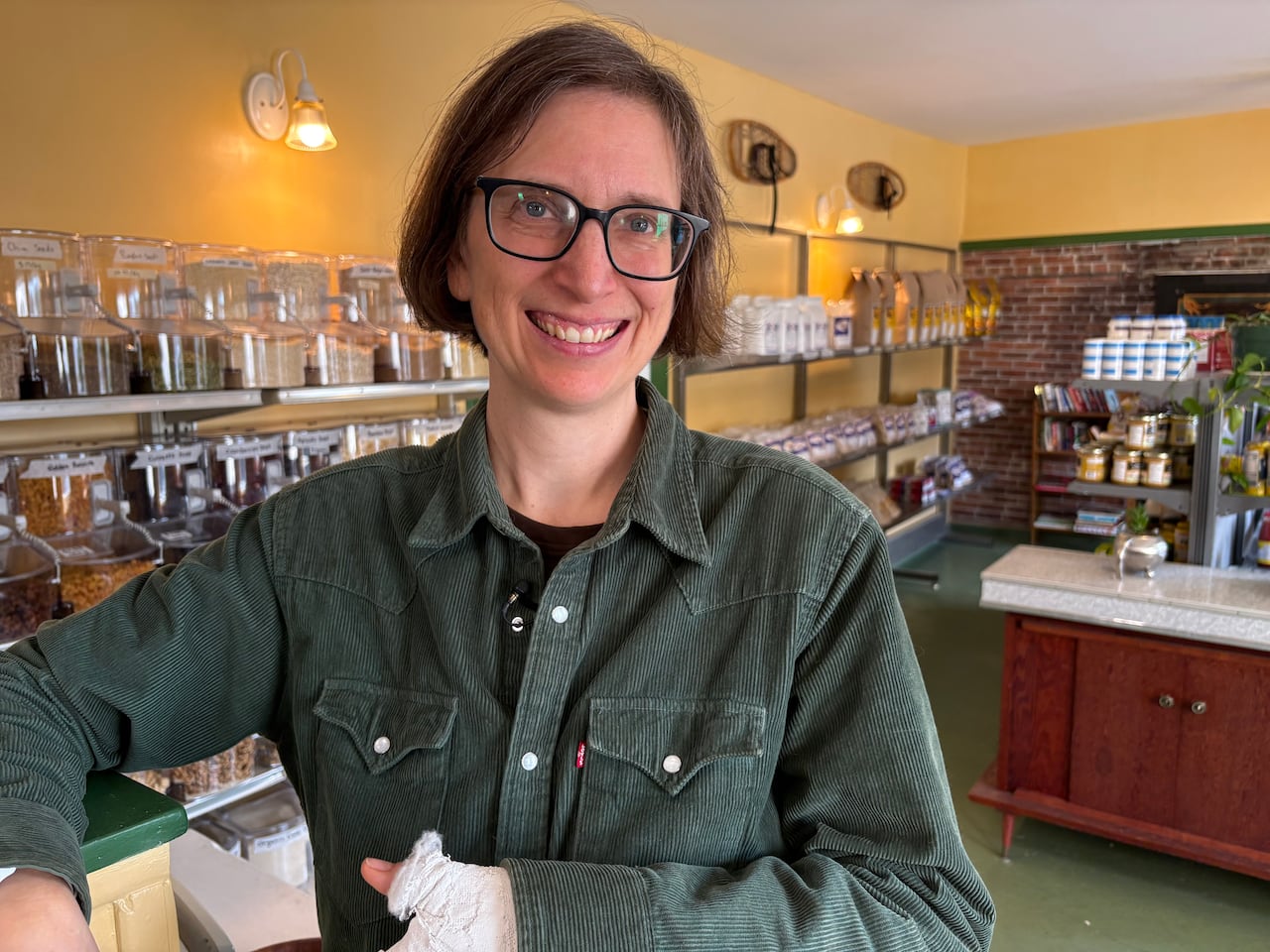
Amy Rubin is a member and volunteer at Fiddlehead Market Co-op. (Frances Willick/CBC)
Members note that shopping at the co-op fosters social connections and a sense of community.
“My favorite aspect is interacting with familiar faces and checking in with people, engaging in meaningful conversations and contributing to a resilient community,” stated Aly Coy.
Fiddlehead is also dedicated to reducing food waste; therefore, products that are no longer fit for sale are donated to farmers for animal feed. Items that may not look perfect are prepared and sold as ready-to-eat meals in-store, while others are donated to the community kitchen or placed in the community cupboard.
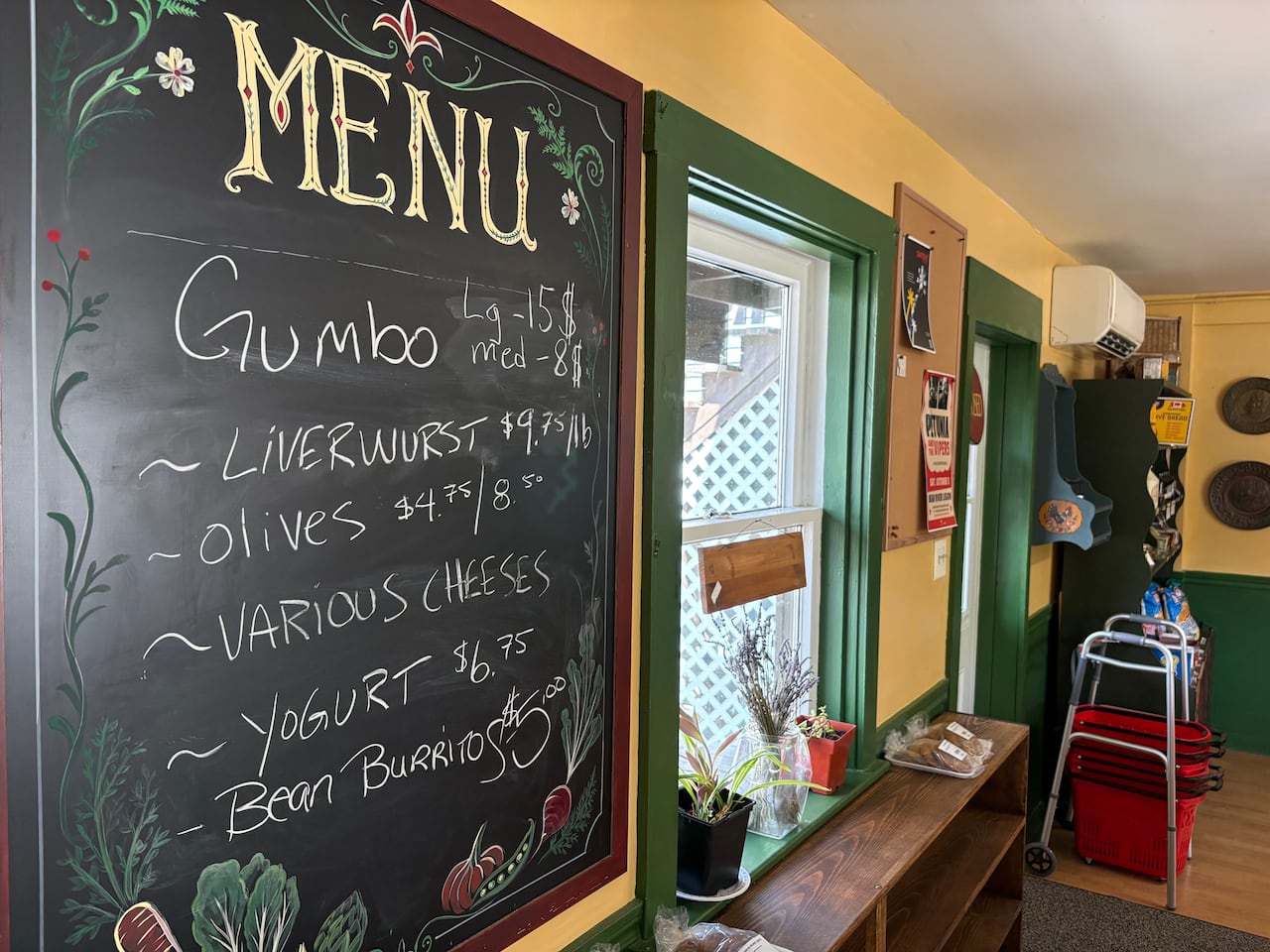
A menu displays various food options available at Fiddlehead Market Co-op. (Frances Willick/CBC)
Tozer mentioned that since the establishment of the co-op, she has been contacted by someone from the South Shore interested in starting a similar initiative. She encourages other communities to explore this possibility.
“We spent a considerable amount of time trying to challenge the grocery system and pricing,” she reflected.
“There’s no need to overhaul grocery store systems… You can simply create your own. The ability for a community to govern its grocery store, set its prices, and choose its suppliers is incredibly empowering and inspiring.”
MORE TOP STORIES
-
CBC Investigates
Fear, sadness, and anger: Why children in N.S. government care frequently go missing
-
Health-care professionals call on province to recognize obesity as chronic condition
-
Atlantic business leaders call for regional policies and more natural resource development
-
Could a single Maritime power grid make electricity more reliable?
-
Q&A | Outdoor enthusiast cleans up remote Cape Breton hiking destination
Tag: rewrite-pending