
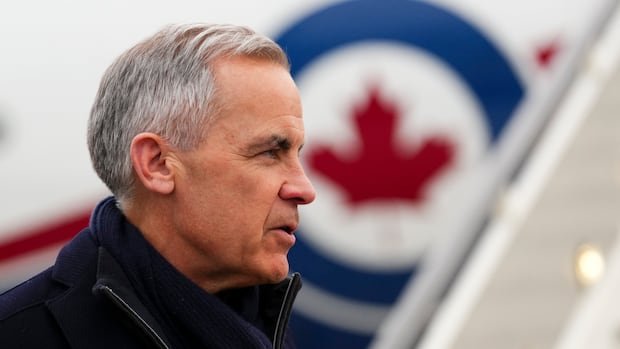

Prime Minister Mark Carney has made his way to Switzerland for the World Economic Forum in Davos, where he aims to attract investments from various countries and corporations. The event provides Carney with the opportunity to engage with influential figures from his past roles as a central banker and United Nations representative.
According to political scientist Stewart Prest from the University of British Columbia, the forum convenes a diverse group of globally influential individuals, including capital representatives and policymakers from around the world. Despite potential backlash for attending such events during times of populist dissatisfaction with politics, Carney’s presence at Davos is deemed less politically risky due to the current global trade tensions and threats to national sovereignty by U.S. President Donald Trump.
Prest acknowledges the skepticism surrounding global wealth and power but emphasizes the importance for Canada to seek allies in challenging times. On the other hand, Conservative Leader Pierre Poilievre has criticized the “globalist Davos elites,” vowing to prohibit any cabinet under his leadership from participating in the WEF.
Former Conservative Prime Minister Stephen Harper’s previous attendance at Davos in 2010 and 2012, during Canada’s recovery from the global recession, highlights the country’s significant role in global affairs. Prest pointed out that Harper leveraged Canada’s position to engage in discussions, much like Carney is doing now.
Carney’s participation at Davos is distinguished by his expertise in macroeconomics, making his contributions highly valued at the summit. Scheduled to deliver speeches on Tuesday and Wednesday to attract investments to Canada, Carney is expected to return to Ottawa after his engagements in Switzerland.
As Carney prepares to depart before Trump’s scheduled address at Davos, there is anticipation of potential disruptions due to the U.S. president’s unpredictable behavior. Prest expressed concerns about the United States potentially relinquishing its global influence and emphasized the importance of safeguarding national sovereignty and prosperity through strategic means.