

After more than six years since the onset of the COVID-19 pandemic, the Canadian federal government continues its efforts to recover billions of dollars disbursed to individuals who were later deemed ineligible for financial assistance. A recent report by Maytree, a research organization focusing on poverty, highlights that the pursuit of these funds disproportionately impacts low-income Canadians, leading to higher costs of recovery than actual amounts retrieved.
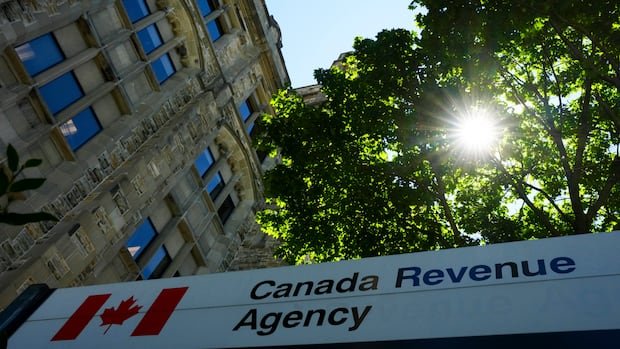
The benefits in question, totaling around $14 billion, were originally distributed by Ottawa, primarily through the Canada emergency response benefit (CERB) and subsequently the Canada recovery benefit (CRB). By November of the previous year, the Canada Revenue Agency (CRA) reported outstanding debts of $10 billion, with over $8 billion attributed to CERB and CRB payments.
The Maytree report emphasizes that the issue is not centered on fraudulent activities but rather on the consequences of rapid government actions and errors that burden those least capable of repaying. John Stapleton, one of the report’s authors and a social policy expert, acknowledges that while some individuals intentionally accessed benefits improperly, many others inadvertently found themselves entangled in the situation.
In response to the ongoing dilemma, the government allocated $123 million in Budget 2025 to aid in the recovery of pandemic funds over a two-year period starting in 2026. Notably, many of the individuals struggling to settle their benefit debts are identified as low-income earners, further underscoring the financial hardship they face.
Tyler Meredith, a senior fellow at the Munk School of Public Policy and a Maytree fellow, highlighted the initial confusion surrounding the eligibility criteria for benefit programs like CERB, which led to inadvertent misuse by some recipients. Despite the necessity for prompt assistance during the pandemic, the lack of a comprehensive recovery plan at the program’s inception exacerbated the challenges in reclaiming misallocated funds.
Meredith proposed exploring options for extended repayment periods or partial forgiveness similar to mechanisms used in other government loan programs. The Maytree report also outlined a phased approach to winding down benefit recovery efforts and suggested legislative amendments to facilitate debt resolution by the CRA.
In conclusion, the complexities surrounding pandemic benefit clawbacks underscore the need for a structured framework to address outstanding debts while considering the financial circumstances of affected individuals. Finding a balance between accountability and compassion in resolving these issues remains a crucial task for the Canadian government.