
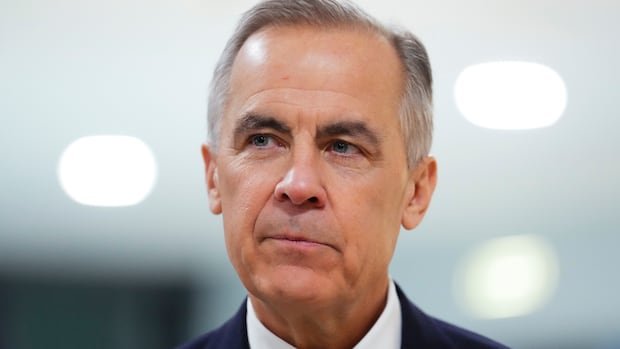

Prime Minister Mark Carney has stated that Canada has no plans to engage in a free trade agreement with China amidst U.S. President Donald Trump’s warnings of imposing severe tariffs if such a deal were to materialize.
Carney informed the press in Ottawa that Canada’s recent discussions with China aimed to address trade issues that have arisen in recent years, particularly concerning products like Chinese-made electric vehicles (EVs), agriculture, and fish items. He reiterated Canada’s commitment to the Canada-U.S.-Mexico Agreement, which mandates prior notification to the other signatory countries before pursuing a free trade deal with a non-market economy like China.
Trump expressed dissatisfaction, suggesting that China was gaining control over Canada and threatened to levy a 100% tariff on all Canadian exports to the U.S. if Canada proceeded with a trade agreement with China. However, he did not specify the nature of the deal in his social media remarks.
The U.S. president criticized Carney, referring to him as a governor, and warned against turning Canada into a conduit for Chinese goods entering the United States. Trump cautioned that China’s influence could have detrimental effects on Canada’s businesses and way of life.
Last week, Canada reached an agreement with China allowing 49,000 Chinese EVs into the Canadian market at a reduced tariff rate in exchange for China lowering tariffs on Canadian canola and other goods.
Trump’s recent tariff threat marked a shift from his earlier positive comments on the Canada-China agreement. He initially considered the deal favorable, emphasizing the importance of securing trade agreements with China.
U.S. Treasury Secretary Scott Bessent clarified that the proposed tariffs on Canadian goods would be implemented if Canada pursued a free trade deal with China, potentially allowing Chinese goods to flood the U.S. market.
Economist Moshe Lander highlighted Trump’s unpredictable behavior as a strategy to limit Canada’s options and strengthen the U.S. position in trade negotiations. Lander suggested that Canada exploring alternative trade options could enhance its bargaining power in future trade talks.
The escalating tensions between Trump and Canada following Carney’s remarks at the World Economic Forum in Davos led to a war of words between the two leaders. Trump rebuked Carney’s statements and emphasized the significance of the U.S.-Canada relationship.
Moving forward, Canada faces the challenge of translating Carney’s foreign policy vision, which emphasizes collaboration among middle powers, into concrete actions. Foreign Affairs Minister Anita Anand emphasized the need for strategic alliances to safeguard Canadian interests and address global challenges.
Anand underscored Canada’s commitment to trade diversification, highlighting engagements with countries like China and India to fortify the Canadian economy and reduce dependency on single trading partners. She expressed confidence in Canada’s enduring relationship with the U.S. and emphasized the significance of critical minerals discussions with international partners.