
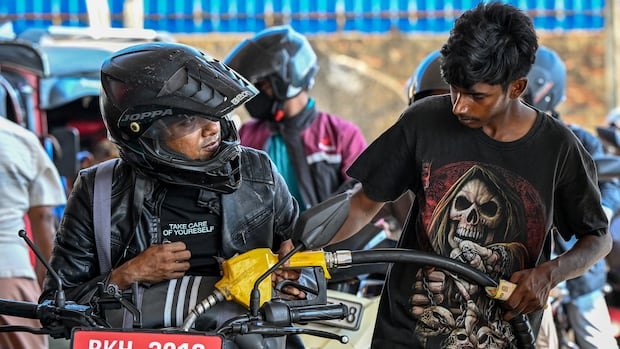

In Sri Lanka, a unique measure has been taken to address fuel shortages caused by geopolitical conflicts disrupting oil transportation. State employees are granted a day off every Wednesday to conserve fuel amidst the crisis. This move is part of a broader trend in Asian countries adapting to the fuel scarcity challenge.
President Anura Kumara Dissanayake of Sri Lanka announced the weekly holiday for state-run institutions, excluding essential services, and encouraged public servants to work from home when feasible. This strategy aims to reduce fuel consumption and mitigate the impact of dwindling oil supplies.
Similarly, other nations in Asia are implementing changes to cope with the fuel crisis. In the Philippines, government officials have shifted to a four-day work week to reduce energy usage, while office workers are instructed to power down computers during breaks. Vietnam has urged people to work remotely, and Thailand’s government has allowed public servants to work from home and recommended using stairs instead of elevators to save energy.
To combat the heat and reduce energy consumption, Thailand has advised workers to wear short-sleeved shirts instead of suits and set office temperatures to a minimum of 26 °C. Moreover, the government has set up cooling centers to help residents cope with the high temperatures.
In India, efforts are focused on prioritizing household fuel needs, particularly for cooking and transportation. The government is absorbing a portion of the price increase to support low-income households, as shortages begin to impact restaurants and hotels in the country.
Countries like Sri Lanka, Vietnam, and Thailand are implementing fuel rationing and exploring alternative energy sources to manage the crisis effectively. South Korea and Japan are releasing oil reserves to stabilize fuel prices and address disruptions in global oil supply chains.
The collective actions taken by these nations reflect a coordinated effort to alleviate the impact of fuel shortages caused by geopolitical tensions in the Middle East.