
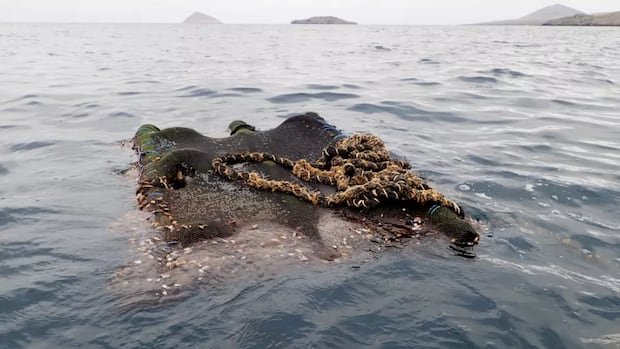

A new study reveals that abandoned fish aggregating devices (FADs) used in tuna fishing are causing harm to coral reefs and wildlife, including in protected marine areas. Despite fishing bans in these regions, drifting FADs have encroached into around 1,500 marine protected zones globally.
FADs, typically floating rafts made of wood or bamboo with plastic components, are utilized to catch small tropical tuna, particularly skipjack, commonly found in canned tuna products. In the past, FADs were equipped with nets that posed a threat to marine life, leading to a global ban on netting in 2025, replaced by ropes.
These devices attract small fish seeking shelter, which in turn draws larger predators like tuna, facilitating their capture by fishing vessels using purse seine nets. However, a significant issue arises from the abandonment of FADs, with an estimated 90% of the 100,000 deployed annually ending up lost or stranded, posing environmental hazards in protected areas.
The study documented over 6,000 instances of FAD strandings in 174 marine protected zones, causing damage to coral reefs and entangling sharks and turtles, though the ban on netting aims to mitigate these risks. The accumulation of FAD waste in specific regions like French Polynesia and the Seychelles poses a threat to local wildlife, necessitating costly cleanup efforts by communities.
To address these concerns, initiatives promoting sustainable practices in tuna fishing, such as the Marine Stewardship Council certification, have incentivized companies to reduce netting and utilize more eco-friendly materials. The development of biodegradable FAD designs, like the “jelly FAD” by the International Seafood Sustainability Foundation, aims to minimize environmental impacts when these devices drift into protected areas.
Recommendations to mitigate FAD-related issues include limiting deployments, avoiding potential stranding areas, and promoting the retrieval of old FADs. Collaboration between fishing fleets and environmental organizations, like the Spanish fleet near the Seychelles, showcases efforts to manage FAD impacts responsibly. Public awareness and ongoing research are crucial in driving industry improvements to address the environmental challenges associated with FAD fishing.