
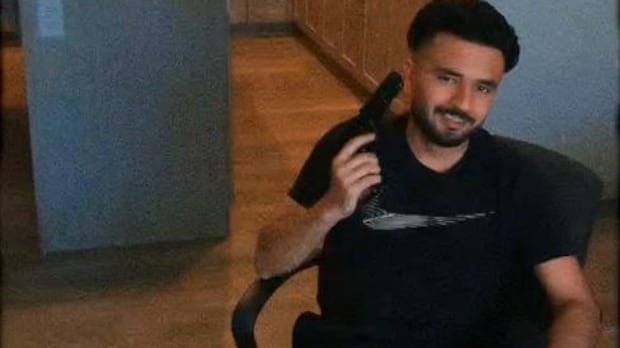

Videos found on the phone of an Indian national deported from Canada earlier this year for suspected ties to the Bishnoi gang depict him holding a firearm, aiming it at an Edmonton college, and posing in front of a burning structure.
Sahibjot Singh was deemed inadmissible to Canada in July after confessing to owning and using unauthorized weapons associated with criminal activities involving a network of young men engaged in extortions, arsons, and shootings across B.C., Alberta, and Ontario.
Despite Singh’s denial of any affiliation with the Bishnoi group, Immigration and Refugee Board documents obtained by CBC News place him in the company of other suspects allegedly led by a mid-level figure named Arshdeep Singh.
According to a report from the Canada Border Services Agency, the group primarily comprises South Asians from India targeting South Asian business owners for extortion, with threats of arson and shootings under the direction of Lawrence Bishnoi, real or implied.
Roles within the organization vary, ranging from planning and overseeing extortions to carrying out threats, providing weapons and vehicles, and executing the criminal acts as shooters or arsonists.
The case of Sahibjot Singh is just one among a series of removal orders targeting individuals linked to extortion activities associated with Bishnoi-affiliated or copycat gangs, with 111 individuals already deported from Canada, including Singh and three others named for their involvement in extortion-related offenses.
Singh arrived in Canada in 2023 on a study permit to attend Portage College in Lac La Biche and was residing in Edmonton when arrested in October 2025. Investigations into Singh were initiated after his phone number was discovered in a device seized from Arshdeep Singh, prompting further scrutiny due to Singh’s online posts featuring firearms and suspicious activities.
The hearing leading to Singh’s deportation shed light on his possession of multiple firearms, including shotguns and handguns, as well as his involvement in illicit activities such as drug use and interactions with criminal elements. Despite Singh’s initial denial of any knowledge or association with illegal firearms and criminal groups, evidence presented during the proceedings contradicted his claims.
The lawyer representing Singh argued that while his client engaged in reckless firearm storage, he was not directly implicated in extortion cases. Singh ultimately admitted to being willfully ignorant of the criminal nature of the organization he was involved with during his admissibility hearing.