
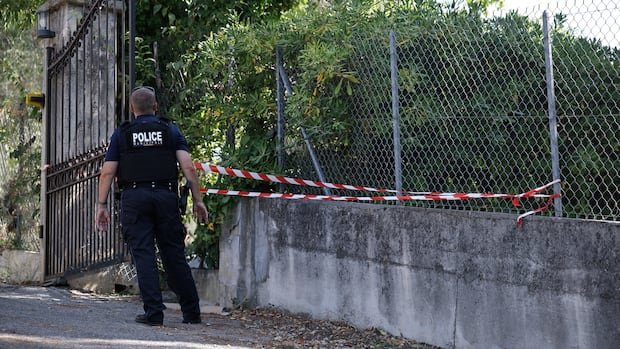

Art crime specialists suggest that a surge in daring art thefts across European museums, following last year’s high-profile Louvre heist, may be connected. Thieves recently broke into the Renoir Museum in Cagnes-sur-Mer on the French Riviera, cutting through a fence and a window to steal four valuable paintings by the renowned Impressionist artist Pierre-Auguste Renoir. The theft echoes a series of notable incidents, including the heist of Napoleonic jewelry worth millions from the Louvre in Paris. Anthony Amore, an expert on art theft from Boston, Massachusetts, expressed astonishment at the scale of recent crimes.
Several art thefts in the past year, such as the robbery at the Fondazione Magnani Rocca museum in Italy and the stolen Renaissance paintings from the Museo Regionale di Messina in Sicily, share similarities. Erin Thompson, an art crime professor in New York City, referred to the thefts as “Louvre-inspired” and criticized the perpetrators as “extraordinarily stupid” for targeting well-known artwork.
The recent theft at the Renoir Museum has raised concerns about museum security and the protection of valuable cultural artifacts. Cagnes-sur-Mer mayor Bryan Masson emphasized the need for enhanced museum security measures. The French government faces pressure to address security deficiencies highlighted in a parliamentary report, revealing inadequate resources and preparedness in safeguarding precious artworks.
Despite efforts to enhance security at museums, experts like Sally Hickson from the University of Guelph warn that even major institutions may lack the advanced security measures portrayed in movies. Art crime expert Anthony Amore believes that tightening security might lead thieves to resort to more aggressive theft methods, as indicated by a recent report from Europol highlighting a trend towards violent art thefts orchestrated by opportunistic criminals recruited through social media.
In conclusion, the wave of art thefts following the Louvre heist underscores the ongoing challenges museums face in protecting valuable artworks, prompting calls for increased security measures and vigilance to combat art crime.