
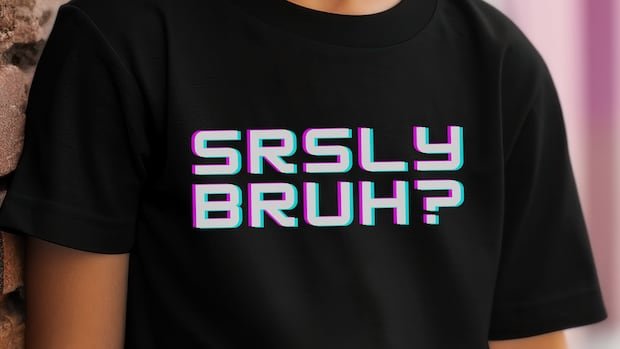

Sam Joseph Karam, a clothing seller on Etsy, was surprised when he received an email notifying him that 11 of his “bruh” T-shirt designs had been removed for trademark infringement. The email, which came from Etsy, also mentioned that his Star Seller badge had been revoked, leading to a decline in sales.
The trademark violation was reported by Malik Yawar Abbas, who holds the Canadian trademark for the term “bruh.” Karam, along with other Etsy sellers, experienced similar takedowns following complaints by Abbas. Karam believes that Abbas is exploiting the trademark for profit through licensing rather than product creation, a practice some legal experts find concerning.
The Canadian Intellectual Property Office issued a trademark for “bruh” in July 2025, allowing its use for various clothing items. Another trademark granted to Abbas was for advertising restaurant services. Despite attempts to contact CIPO for clarification, no specific response was received regarding the “bruh” trademark.
Karam discovered Abbas’s website, focusing on licensing the “bruh” trademark for commercial purposes rather than selling actual products. Abbas insisted that the purpose of the website was to showcase potential commercial uses of the brand.
When Karam approached Abbas to withdraw the complaint, Abbas proposed a settlement of $1,000. Karam refused, expressing concerns about trademark squatting. Abbas later retracted the complaint to Etsy, but Karam is exploring legal options to challenge the trademark’s validity based on bad faith.
According to intellectual property law experts, trademarks can be invalidated if obtained in bad faith. Despite the complexities of trademark law, the situation with the “bruh” trademark raises questions about its commercial use and potential infringement. Etsy’s handling of trademark disputes has sparked debate, with calls for clearer guidelines and seller appeal mechanisms.
Experts suggest that tighter regulations are needed to prevent abuse of trademarks and ensure fair enforcement. The case underscores the need for balanced trademark protection to safeguard both intellectual property rights and creative expression.