
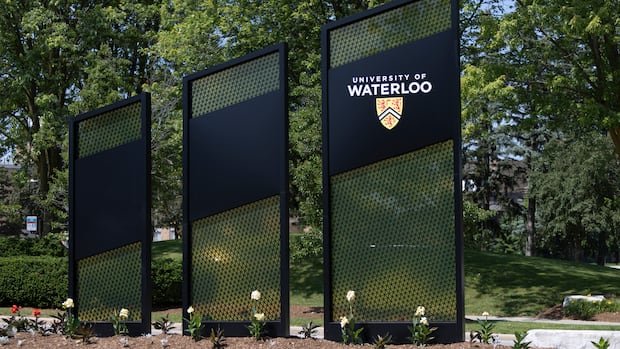

A Federal Court judge has refused entry to a Chinese engineering student into Canada, citing concerns that the student could be influenced by the Chinese government to engage in espionage activities. The student, Yuekang Li, had applied for a study permit to pursue a PhD program in mechanical and mechatronics engineering at the University of Waterloo with the intention of utilizing the knowledge gained to enhance China’s public health system.
Federal Court Chief Justice Paul Crampton categorized Li’s proposal as falling within the realm of “non-traditional” espionage given the evolving methods used by hostile state actors to acquire sensitive information. The decision, made public recently, emphasized the need for vigilance in identifying potential espionage activities that could be detrimental to Canada’s interests.
Experts predict that similar rulings may arise in the future, as visa officers in China have been instructed to scrutinize visa applications from individuals with potential military connections. The decision to bar Li was based on concerns raised by a visa officer regarding his field of study, citing China’s utilization of students for intelligence gathering purposes, particularly in advanced technologies such as microfluidics and biopharmaceuticals.
Li contested the ruling, arguing that the definition of espionage was overly broad and speculative. However, Justice Crampton upheld the decision, highlighting the reasonable grounds to believe that Li could be coerced into spying for the Chinese government based on his educational background and field of study.
The judgment underscores the growing concerns surrounding China’s interest in Canadian academic institutions and the need to safeguard against intellectual property theft and espionage activities. Former national security adviser Dick Fadden emphasized the importance of restricting sensitive research areas from foreign adversaries to protect Canada’s national interests.
The Canadian government has initiated national security reviews for academics seeking federal funding and vowed to strengthen oversight of collaborations between Canadian universities and Chinese entities with military ties. Efforts are being made to enhance information sharing between security agencies and educational institutions to mitigate security risks posed by foreign actors.
In response to the decision, the Chinese embassy in Ottawa emphasized its commitment to promoting education cooperation with Canada while denouncing allegations of espionage. The embassy called for a fair and supportive environment for Chinese students in Canada.
The ruling serves as a pivotal step in addressing the challenges posed by foreign influence in academic settings, highlighting the need for enhanced security measures and strategic safeguards to protect Canada’s research and innovation landscape.