
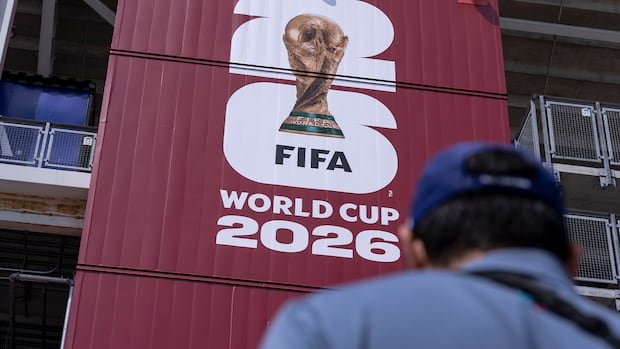

The ongoing FIFA World Cup 2026 has been a significant victory for sports betting firms, with projections indicating it will be the largest betting event in history, surpassing previous events such as the 2022 World Cup and the 2025 Super Bowl in terms of wagered amounts, reaching over $50 billion globally. This World Cup marks the second edition since the legalization of sports betting in many parts of the U.S., coupled with the launch of Ontario’s regulated online gambling sector. The expansion to 48 teams, prop bets offering betting options on specific game events, and favorable match schedules have all contributed to an increase in betting opportunities according to experts.
Furthermore, the participation of host nations Canada, Mexico, and the U.S. in the round of 16 has added to the betting fervor surrounding the tournament. Journalist Danny Funt, author of “Everybody Loses: The Tumultuous Rise of American Sports Betting,” highlighted the shift of sports betting from a clandestine activity to a mainstream practice. The ease of access to betting and the proliferation of advertisements, particularly during major events like the World Cup, have raised concerns among critics, noting a potential negative impact on the essence of sports.
Matt Prevost, BetMGM’s chief revenue officer, emphasized the impact of hosting the tournament in North America on sports betting interest, citing a significant increase in both bets placed per match and total wagers compared to the 2022 World Cup in Qatar. Companies like FanDuel and Bet Way anticipate a substantial customer base and a surge in betting activity during the event. Access to legal sports betting has expanded, with a notable increase in the percentage of Americans able to bet legally during this World Cup compared to the previous edition.
The proliferation of betting advertisements during the tournament has raised concerns, with experts warning about the potential influence on viewers, especially the younger demographic. The normalization of gambling activities, coupled with the heightened exposure to betting-related content, can lead to a shift in how individuals perceive and engage with sports events like the World Cup. Measures such as self-exclusion programs and responsible gaming tools are available to promote safer gambling practices.
As the World Cup progresses, betting activity is expected to rise further, attracting both new and existing bettors. The surge in advertisements promoting gambling products has prompted calls for stricter regulations to safeguard vulnerable populations, particularly the youth. Efforts are underway to address the impact of excessive gambling advertisements, with regulatory bodies considering measures to limit the frequency and content of such promotions.
In conclusion, while the World Cup serves as a platform for thrilling sports action, the growing influence of sports betting and related advertisements underscores the need for responsible gambling practices and effective regulation to mitigate potential harm and protect individuals from the risks associated with excessive gambling.