
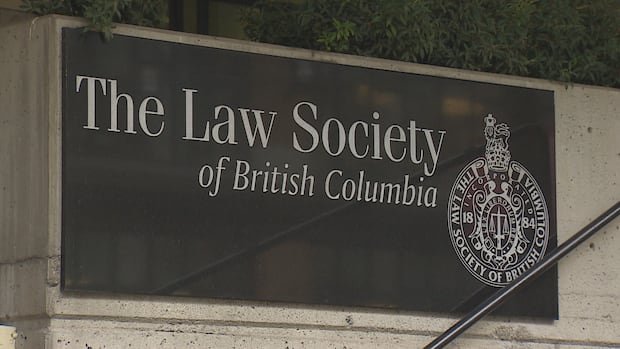

The B.C. Supreme Court has upheld the legality of the provincial government’s law reform aimed at restructuring the oversight of lawyers, notaries, and other legal professionals. In 2024, the government enacted legislation to establish a new regulatory body overseeing lawyers, notaries, and paralegals, departing from the traditional model of self-governance for lawyers. The Law Society of B.C., responsible for self-regulation of the legal profession in the province since 1874, along with the Trial Lawyers Association of British Columbia, challenged the reform in court, arguing that it compromises lawyers’ independence unconstitutionally.
The Canadian Bar Association, intervening in the case, contended that replacing self-regulation with government control over lawyers grants the state excessively broad authority to directly regulate legal practices. Chief Justice Ronald Skolrood, in his judgment, acknowledged the significant shift in the regulation of lawyers in B.C. but ultimately found no constitutional violation in the new regulatory framework. Despite this ruling, the Trial Lawyers Association expressed intent to appeal, citing concerns that the legislation encroaches unjustly on their independence and opens doors for government interference in lawyers’ professional obligations to their clients.