

Opioid-related fatalities in Ontario have decreased by more than 50% since 2021, as per the most recent report from the Office of the Chief Coroner. Despite this progress, northern Ontario consistently reports the highest fatality rates due to the presence of increasingly harmful drugs in street circulation.
The provincial mortality rate in 2025 has dropped by 54% compared to 2021 but remains 44% higher than in 2016. Thunder Bay continues to have the highest opioid-related death rate, standing at 52.72 per 100,000 population, over five times the provincial rate of 8.96. Three of the top five death rates in Ontario are from northern communities, with North Bay ranking third at 30.83 and Greater Sudbury fourth at 28.36.
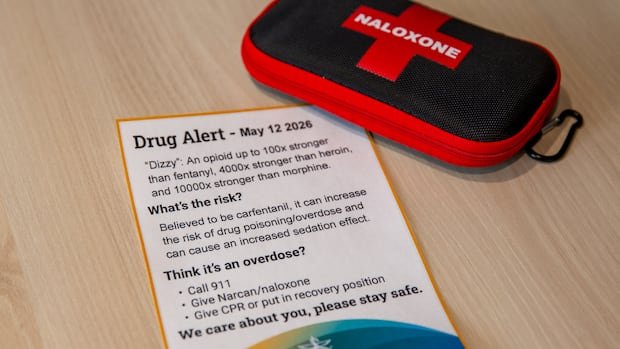
Although there has been an overall decline in numbers, Thunder Bay has seen a reduction of over 37% in its opioid-related death rate since 2022, according to the Ontario Drug Policy Research Network. Recent data coincides with two separate drug alerts in the region this week.
The Northwestern Health Unit issued a drug alert after observing 11 non-fatal opioid poisonings or overdoses in Kenora in a single day. Subsequently, NorWest Community Health Centres in Thunder Bay released a drug alert regarding a dangerous mix of substances detected in drug tests.
Dr. David Marsh from the Northern Ontario School of Medicine University highlighted that many opioids sold in northern Ontario are illicitly manufactured, often containing not just fentanyl but also other highly toxic substances like veterinary tranquillizers. These substances, such as Medetomidine and xylazine, were never intended for human consumption.
To address the mental health and addiction needs of individuals effectively, Marsh emphasized the importance of better coordination within the healthcare system to ensure sustained treatment benefits.
The shift from heroin to fentanyl and carfentanil poses a significant threat, with carfentanil, commonly known as “dizzy,” being detected in Kenora. Even a small amount of carfentanil mixed with other drugs can lead to fatal overdoses, as it is 100 times more potent than fentanyl.
The illegal drug market’s transition to fentanyl and carfentanil is attributed to the ease of shipping smaller quantities, reducing the risk of detection by law enforcement. Naloxone can reverse opioid overdose effects but is ineffective against other substances that may be mixed in illicit drugs.
Marsh emphasized the effectiveness of medications like methadone and buprenorphine in reducing overdose risks by over 80%. However, the closure of supervised consumption sites in Ontario, under Premier Doug Ford’s government, has raised concerns about increased harm to individuals struggling with addiction.
The province’s new focus on Homelessness and Addiction Recovery Treatment (HART) Hubs aims to provide comprehensive support services, but the rollback of supervised consumption sites is viewed as a move that puts vulnerable individuals at greater risk. Stopping the stigmatization of drug use is crucial to encourage individuals to seek help and access necessary care without fear of judgment.