
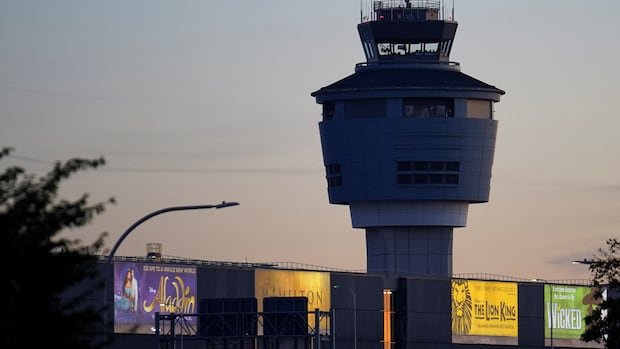

Air traffic control staffing at LaGuardia airport during the incident involving an Air Canada jet colliding with a fire truck may have breached protocols by combining roles before midnight, a document reviewed by Reuters revealed. The crash, occurring at around 11:37 p.m. ET on March 22, resulted in the tragic deaths of both pilots, raising concerns about the shortage of air traffic controllers in the U.S. and the workload pressure on controllers nationwide.
Reports indicate that staffing shortages, including at the supervisory level, have led to controllers frequently taking on dual responsibilities for managing both local air traffic and ground operations. The U.S. National Transportation Safety Board (NTSB) has expressed interest in understanding the specific duties assigned to each controller as part of its investigation into the crash.
The LaGuardia tower’s standard operating procedures dictate that combining air and ground roles before midnight is against protocol. These procedures were reinforced following a 1997 incident involving a private jet and a vehicle at the same airport. The Federal Aviation Administration (FAA) emphasized its commitment to supporting the NTSB in accident inquiries and implementing necessary safety measures based on the findings.
During the accident, two controllers were on duty in the control tower at LaGuardia. One controller managed active runways and immediate airspace, while another, responsible for providing departure clearance, was overseeing operations. Questions have arisen regarding the allocation of ground control duties during the incident, with conflicting information provided by various sources.
The controller-in-charge and the local controller signed in at 10:30 p.m. and 10:45 p.m. ET, respectively, on the night of the crash. The LaGuardia tower’s guidelines stipulate that roles should not be combined until at least midnight and must be separated as traffic demands. The night of the Air Canada collision saw an increase in commercial flights due to weather-related delays, adding to the complexity of operations.
Controllers present that night described the workload as intense, with additional staff often required to handle the unexpected surge in flight activity. One controller from the New York area highlighted the significance of adhering to proper procedures given the challenging traffic conditions experienced that evening.