
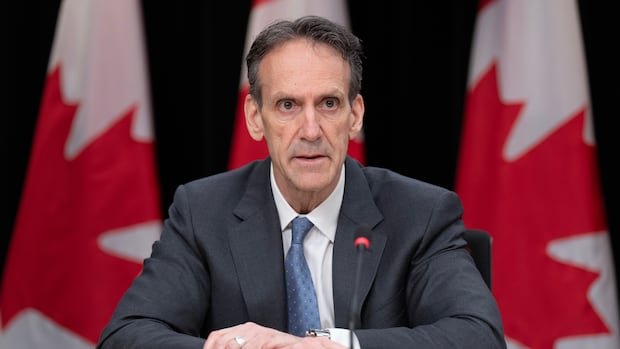

As the United States intensifies its fight against drug trafficking along the Mexican border, there are concerns that this crackdown may be leading to increased criminal activities from Canada. However, Kevin Brosseau, the fentanyl czar, disputes this claim, stating that the data does not support it.
Brosseau referred to the latest figures from U.S. Customs and Border Protection, which reveal that only a small amount of fentanyl, less than half a kilogram, was seized at the Canada-U.S. border in May, compared to 358 kilograms seized at the Mexico-U.S. border. The total fentanyl seized at the Canadian border this year stands at approximately three kilograms, significantly lower than the 3,221 kilograms seized at the Mexican border.
While acknowledging the adaptability of organized crime, Brosseau emphasized the importance of continued vigilance to prevent cartels from shifting their operations from Mexico to Canada. Despite the official data from Canada, American officials, notably U.S. Homeland Security Secretary Markwayne Mullin, have raised concerns about an uptick in fentanyl trafficking from Canada, attributing it to the pressure on Mexican cartels.
Mullin highlighted the persistent nature of criminal organizations and the ongoing demand for illicit substances, leading them to explore alternative trafficking routes. The Trump administration has expressed apprehensions about border security issues, including the influx of drugs from Canada.
Although Brosseau has engaged in constructive discussions with U.S. authorities, emphasizing Canada’s efforts in combating drug trafficking, concerns persist about the flow of fentanyl across the Canada-U.S. border. Brosseau reiterated the importance of eliminating fentanyl trade to protect communities from the devastating impact of the drug.
In a separate development, recent data from Canadian health officials indicates a promising decline in opioid overdose deaths, attributed to various factors including changes in the illegal drug supply and enhanced access to naloxone. While progress has been made, Brosseau emphasized the need for a coordinated approach to disrupt the drug trade ecosystem effectively.
Despite the challenges ahead, Brosseau remains optimistic and committed to further initiatives to address drug trafficking and reduce the harm caused by opioids in communities.