
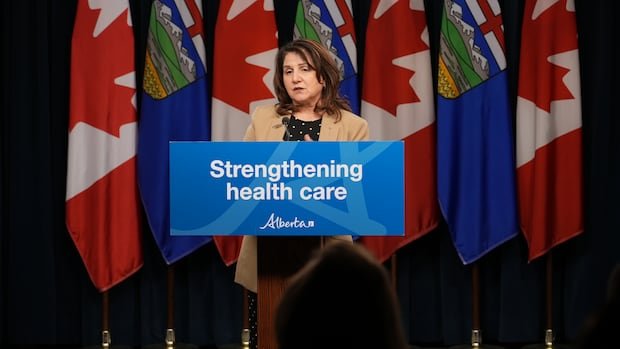

Albertans may soon have the option to pay for private diagnostic testing directly, without needing a referral from a doctor. The proposed Bill 29 aims to permit self-referral to private clinics in Alberta later this year. Alberta’s Primary and Preventative Health Services Minister, Adriana LaGrange, emphasized that this move is intended to alleviate the strain on the public healthcare system and facilitate early identification of medical conditions.
LaGrange highlighted the importance of empowering Albertans to take charge of their health while upholding the robust public healthcare system. She stressed that early detection plays a vital role in saving lives and reducing the burden on the healthcare system. Specific details regarding the eligibility criteria and the types of tests covered will be disclosed in the coming months.
Premier Danielle Smith’s 2025 mandate letter to LaGrange had previously outlined these changes, which were also mentioned in a government video released last year. LaGrange mentioned that the legislation would enable “lifestyle testing,” such as bloodwork for checking vitamin or hormone levels, inspired by practices in countries like Japan and South Korea. However, the implementation may proceed gradually, potentially starting with a limited range of tests to ensure a smooth transition.
While some healthcare professionals have expressed concerns about potential challenges, LaGrange reassured that the intention is to enhance the system’s capacity rather than diminish it. The move towards private diagnostic testing has raised debates, with critics like NDP’s Sharif Haji warning of increased inequality and the emergence of a two-tiered healthcare system based on financial capabilities.
Dr. Brian Wirzba, the President of the Alberta Medical Association, cautioned about the risks of false positives and additional findings resulting from private tests, which could strain the healthcare system with follow-up procedures. Meanwhile, political science professor Tom McIntosh highlighted the significance of determining the permissible tests, as unnecessary screenings could overload the system and impede access to essential medical referrals.
The bill also includes provisions to allow healthcare prescribers to maintain a limited supply of addiction treatment medications on site, particularly targeting improved access in rural and Indigenous communities. This measure focuses on a specific list of low-risk opioid agonist drugs to streamline the treatment process, addressing delays observed in certain parts of the province.
Furthermore, the legislation encompasses minor technical adjustments that mark the final stage of the province’s healthcare restructuring efforts, as outlined by LaGrange. The bill aims to enhance healthcare accessibility and efficiency while balancing public and private healthcare dynamics in Alberta.