
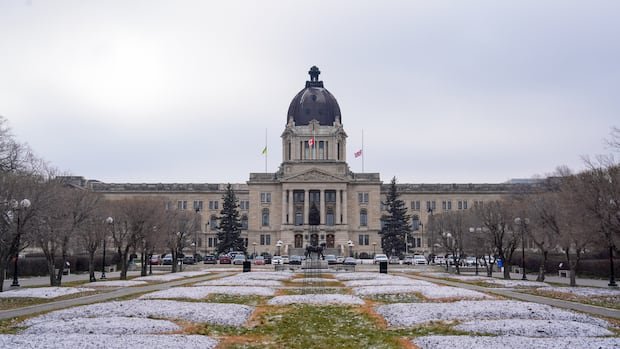

The Saskatchewan government is anticipating continued deficits until the end of the decade, as outlined in the 2026-27 provincial budget presented by Finance Minister Jim Reiter. The upcoming fiscal year is projected to have an $819.4-million deficit, with a revised $1.21-billion deficit for the previous year.
The province aims to achieve a surplus of $124.1 million by 2030-2031, driven by sustained economic growth, program adjustments, and reducing the provincial workforce through attrition. The government plans to decrease executive government and Crown corporations’ positions by about 300 each over two years without layoffs.
Named “Protecting Saskatchewan,” the budget stresses no tax increases or service cuts. It maintains the small business tax at one per cent, allocates $17.5 billion for capital projects over the next four years, and commits to the largest expansion of nurse practitioners in provincial history through the Patients First Health Care Plan.
While Saskatchewan’s deficit projection is significant, it falls short of the record deficit projected in the 2020-2021 budget. Opposition leader Carla Beck criticized the lack of inflation relief and highlighted the accumulation of debt under Premier Scott Moe compared to past administrations.
The budget addresses various sectors, including justice, social services, health, mental health, education, post-secondary education, and municipalities. It includes measures like increasing social services funding, expanding mental health and addiction support, enhancing court services, and investing in health infrastructure and education programs.
The budget underscores the impact of external factors on Saskatchewan’s financial stability, such as fluctuating oil prices and geopolitical events. The government remains focused on managing deficits while addressing critical areas of public service and infrastructure development.