
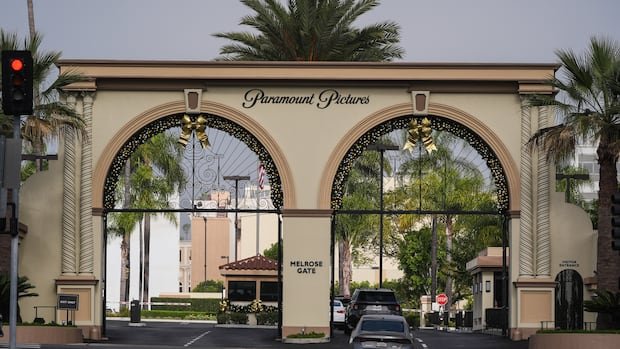

Warner Bros. Discovery has announced that Paramount has increased its bid to acquire the company to $31 US per share, potentially sparking a new round of competition with Netflix for control of the Hollywood powerhouse.
Paramount initially offered $30 US per share in a hostile, all-cash bid to Warner stakeholders in December, shortly after Warner had struck a deal with Netflix to sell its studio and streaming business for $27.75 US per share.
In addition to the higher purchase price, Warner revealed on Tuesday that Paramount has raised its regulatory termination fee to $7 billion US. Paramount has also agreed to expedite a “ticking fee” for shareholders if the deal fails to materialize by the end of September, amounting to 25 cents per share or a total of $650 million US.
Following discussions with Paramount, Warner confirmed it had received an updated offer and was evaluating it. Warner stated that Paramount’s revised proposal could potentially lead to a better offer under its existing agreement with Netflix, although Warner’s board has not yet determined whether Paramount’s offer surpasses Netflix’s.
Netflix declined to comment on the matter when contacted on Tuesday.
A potential acquisition of Warner Bros. Discovery would significantly reshape the entertainment industry, merging assets like HBO Max and iconic franchises such as “Harry Potter” under one roof, depending on the outcome of the rivalry between Netflix and Paramount.
While Paramount aims to acquire Warner Bros. in its entirety, including networks like CNN and Discovery, Netflix is solely interested in the studio and streaming business. Warner’s board has consistently supported the Netflix deal, reaffirming its commitment on Tuesday.
If Warner’s board perceives Paramount’s offer as superior, Netflix will have a four-day window to match or revise its bid or opt to withdraw from the competition.
Tensions have escalated between Paramount, Warner, and Netflix over the past months as they vie for control. However, concerns have been raised by lawmakers and industry groups about potential consolidation of power and its adverse effects on job security, diversity in content creation, and consumer costs.
Antitrust issues loom large, with regulatory approval likely playing a crucial role in determining the outcome of the sale. The U.S. Department of Justice has initiated reviews, and similar scrutiny is expected from other jurisdictions.
Both Paramount and Netflix argue that their proposals are beneficial for consumers and the industry at large, each making regulatory arguments against the other. Paramount highlights Netflix’s market dominance, while Netflix emphasizes preserving and expanding Warner’s studios and distribution capabilities.
Political factors also come into play, with President Donald Trump previously indicating interest in the deal due to his ties with Paramount’s backers. However, he has since clarified that regulatory approval rests with the Justice Department.
Changes in editorial direction are anticipated if Paramount acquires Warner, with comparisons drawn to CBS’ editorial shifts under new ownership. Trump’s public criticisms of Paramount and interactions with industry figures add another layer of complexity to the ongoing saga.