
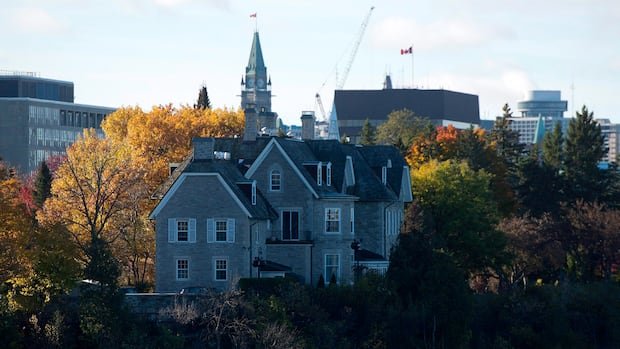

The official residence of the prime minister has undergone extensive renovations to remove hazardous materials such as asbestos, mould, lead, and rodents, as confirmed by the National Capital Commission. Despite these efforts, the residence has remained vacant for eight years without a tenant, raising concerns about the potential return of rodents.
Former heritage minister Sheila Copps highlighted the challenges of maintaining an empty property, noting that neglect could attract pests like rats. The state of disrepair at 24 Sussex Drive is attributed to past leaders’ reluctance to invest in refurbishments for the historic 19th-century home.
The ongoing maintenance work, including the removal of hazardous substances and the installation of new systems like heat pumps, is necessary to preserve the residence regardless of future decisions regarding its occupancy. The NCC estimates that approximately $37 million is required for the extensive repairs and upgrades needed to make the prime minister’s official residence habitable.
Originally constructed in 1868 in the Gothic Revival style by Joseph Currier, 24 Sussex Drive underwent various renovations over the years, including additions by W.C. Edwards in 1902. However, subsequent modifications and expropriation in the 1940s for official use led to controversies and delays in addressing the deteriorating condition of the property.
Various experts and officials have weighed in on the challenges of renovating or replacing 24 Sussex Drive, citing political sensitivities and historical complexities. While discussions continue on the future of the iconic residence, stakeholders emphasize the importance of balancing security, accessibility, preservation, and sustainability in any decision-making process.
Despite concerns about the prolonged indecision and potential consequences of further neglect, the government remains engaged in consultations with stakeholders to determine the best course of action for 24 Sussex Drive. Heritage advocates and experts stress the urgency of addressing the residence’s condition to prevent further deterioration and maintain Canada’s reputation on the global stage.