
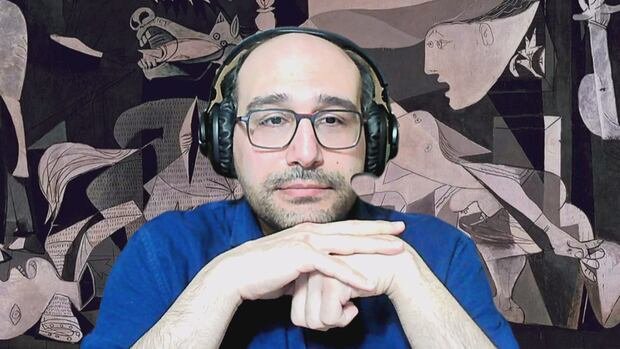

Shayan Morshedi, a PhD student at Memorial University originally from Iran, anxiously awaited updates from his homeland as the United States and Israel conducted airstrikes on Iran over the weekend. Upon learning of the initial strikes, Morshedi quickly messaged his family and friends, anticipating an imminent Internet shutdown.
To stay informed, Morshedi kept in touch with anonymous Iranians through Telegram, a secure messaging app. He expressed conflicting emotions following the reported death of Iran’s supreme leader, Ayatollah Ali Khamenei, in the attacks. While acknowledging some relief at Khamenei’s demise, Morshedi also mourned the lives lost during the protests and expressed frustration at the ongoing turmoil.
Activists have reported a significant death toll of at least 6,519 during Iran’s recent crackdown on nationwide demonstrations. Morshedi criticized Khamenei for the violence and expressed a desire for accountability for the regime’s actions. Despite Khamenei’s death, he remains skeptical about the potential for a regime change, emphasizing that the system transcends any single individual.
Morshedi hopes for a referendum in Iran that would empower the people to determine the country’s future peacefully. However, he remains pessimistic due to the regime’s persistent grip on power, leaving him feeling discouraged and apprehensive about what lies ahead.
Across the Middle East, fear escalated as Iran retaliated with attacks on U.S. military bases in various countries, prompting travel advisories and shutdowns of regional airports. Residents, like Allison Furlong in Qatar, found themselves in the midst of the turmoil, with missile interceptions causing alarm. Furlong shared her experience of being instructed to seek shelter as the situation unfolded, expressing reliance on the missile defense system for protection.
As tensions persist, countries in the region continue to brace for potential escalations, with the Canadian government advising caution for travelers in the affected areas.