
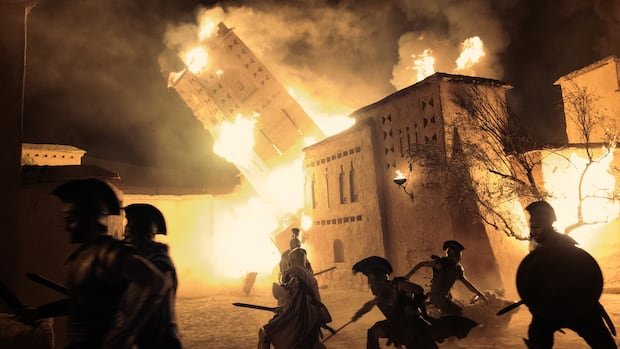

A recent climate study suggests that prolonged severe droughts during the Late Bronze Age may have contributed to the collapse of Mycenaean palace society in Greece and the Hittite state in what is now Turkey. The research, published in Science Advances, utilized a model to analyze drought conditions from approximately 1400 to 900 BC, aligning with the timeframe of these societal collapses.
Lead author Katherine Power, a PhD student in physical geography at Stockholm University, explained that the study identified a gradual shift towards drier conditions in the eastern Mediterranean. This long-term drying trend was exacerbated by shorter-term droughts, intensifying the impact on the collapsing societies.
The study’s computer model simulated 8,000 years of climate change factors, such as Earth’s orbit shifts, greenhouse gas levels, and interactions among various environmental elements. The combined effects likely led to reduced wet seasons, weaker harvests, and strained water resources, adding pressure to already vulnerable societies.
Lynn Welton, an assistant professor of Near Eastern Archaeology at the University of Toronto, commended the study for providing a comprehensive view of how regional climate changes influenced societal dynamics during the Late Bronze Age. She noted that disruptions in the international systems of trade and diplomacy exacerbated the impacts of the climatic shifts, leading to food shortages and reliance on external grain supplies.
Welton emphasized that while the term “collapse” may oversimplify historical events, it is evident that different regions responded diversely to the challenges of the time. Some areas continued with minimal disruption, while others experienced significant changes in material culture and political structures.
The enduring themes of scarcity, displacement, and societal disorder depicted in The Odyssey resonate with the pressures faced by ancient societies grappling with environmental and political upheavals. While the poem may not offer direct evidence of historical events, its narrative reflects the challenges of navigating uncertain landscapes and the quest for survival amid adversity.
Jonathan Burgess, a classics professor emeritus at the University of Toronto, highlighted the significance of food insecurity in shaping the epic’s narrative. The struggles of Odysseus and his crew underscore the consequences of hunger and unpredictability, leading to desperate actions in the face of scarcity.
Ultimately, the environmental and social turmoil of the Late Bronze Age era underscore the enduring relevance of The Odyssey’s themes of displacement, resilience, and the arduous journey towards homecoming in a world fraught with instability and uncertainty.