
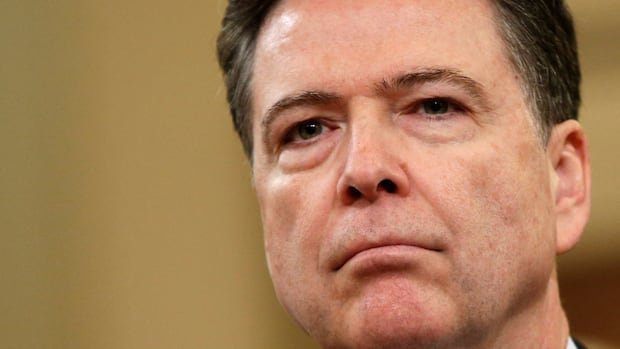

Former FBI chief James Comey appeared in court for the first time in a challenging criminal case against him, where legal experts suggest a tough road ahead for the U.S. Justice Department. Comey faced charges in North Carolina for allegedly threatening President Donald Trump with a social media post showing seashells arranged as “86 47.”
The Justice Department claims that these numbers constituted a threat to the 47th president, but Comey argued that he meant it as a political message, not a call for violence. This marks the second indictment against Comey in a year, stemming from his contentious relationship with Trump during his FBI tenure.
The initial indictment, dismissed last year, involved false-statement and obstruction charges. Now, prosecutors must demonstrate Comey’s intent to convey a true threat or at least recklessly ignore the potential threat perception. The sparse indictment lacks evidence supporting the allegation of knowing and willful actions, leaving a burden on the government to prove intent.
First Amendment protections for free speech, Supreme Court precedents, and Comey’s disavowal of any violent intent pose significant challenges for the prosecution. Trump’s interpretation of “86” as a mob term for killing further complicates the case.
Comey’s court appearance in Virginia saw no plea entered, with his legal team gearing up to challenge the prosecution’s motives. The case’s location at the beach where the seashells were found adds a unique element to the proceedings.
As the legal battle unfolds, the case delves into the nuances of free speech and the legal definition of a “true threat.” Experts highlight the complexities of proving Comey’s guilt, given his public statements and the historical context of political speech protection.
Despite the ongoing legal saga, constitutional considerations remain paramount, with observers questioning the potential implications of criminalizing political speech in the U.S. This high-profile case involving a former FBI director underscores the delicate balance between free expression and legal accountability.