
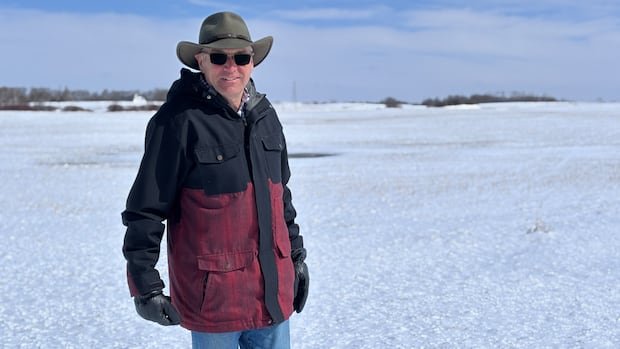

In the vicinity of Bladworth, Sask., Ian McCreary is preparing for the upcoming spring planting season, focusing on fertilization practices. As he gears up for the new crop, McCreary is mindful of the environmental implications associated with nitrogen fertilizer application.
According to McCreary, striking a balance is crucial as nitrogen fertilizer is both essential for crops and potentially hazardous to the environment. While the agricultural industry has long been aware of the need to address fertilizer runoff, a recent study examining the impact of urea fertilizer has underscored the urgency of the issue.
Conducted by researchers from the University of Regina and the University of Saskatchewan, the study looked into the effects of urea fertilizer on farm ponds. The findings revealed that the fertilizer led to water quality degradation, posing a significant threat to freshwater ecosystems. The rapid growth of algae fueled by urea resulted in oxygen depletion in the ponds, turning the water green and adversely affecting aquatic life.
The study indicated that nearly half of the Prairie region’s lakes, wetlands, and reservoirs could face degradation due to widespread urea use. Additionally, agricultural areas in the United States and China were identified as being at risk.
Peter Leavitt, a biology professor at the University of Regina and one of the study’s authors, emphasized the importance of mitigating nitrogen fertilizer runoff as a critical solution. He urged for heightened attention to prevent the contamination of water sources, stressing the need to keep nitrogen-based products out of water bodies.
Addressing the need for a balanced approach, the researchers emphasized the necessity of continued urea use for global food production while advocating for improved management practices to prevent water contamination. Cale Gushulak, a biology professor at the University of Manitoba, highlighted the challenge of balancing food production with water conservation, emphasizing the global importance of finding sustainable solutions amidst changing environmental conditions.
Leavitt suggested that preserving wetlands and adopting strategic farming practices could help manage the impact of nitrogen fertilizers on water quality. McCreary, a member of Farmers for Climate Solutions, showcased his proactive measures on his farm, including the maintenance of wetlands and the establishment of natural barriers to prevent fertilizer runoff.
To reduce fertilizer usage, McCreary implemented field mapping techniques to identify nutrient-rich areas that do not require urea application. By treating fertilizer as a potentially hazardous substance, he emphasized the importance of making informed decisions to safeguard the environment.
Overall, the study serves as a warning sign, urging stakeholders to prioritize sustainable practices to mitigate the environmental risks associated with nitrogen fertilizers and protect freshwater resources.