
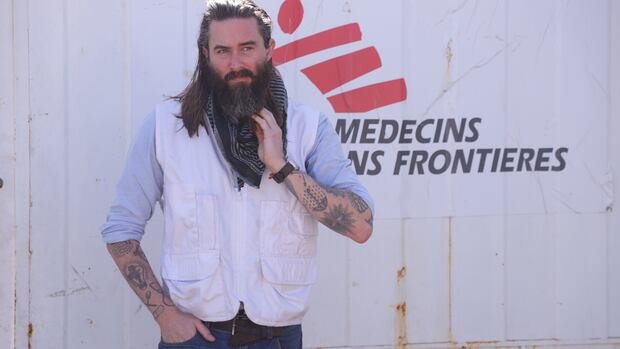

At a water treatment facility operated by Doctors Without Borders in central Gaza, Craig Kenzie closely monitors the functioning of the machine he helped assemble. Following two years of conflict and limited access to water, this makeshift machine now supplies tens of thousands of liters of potable water to the local community. As a project coordinator involved in constructing the water treatment plant since mid-December, Kenzie expresses concerns about the continuity of aid efforts for Palestinians as he and other foreign workers from aid organizations prepare to depart the region.
Doctors Without Borders (MSF) and 36 other international non-governmental organizations (INGOs) are set to end their operations in the Gaza Strip soon. These organizations have been requested to disclose lists of their local and foreign staff, a demand that many have resisted citing concerns for the safety and security of their personnel. With their work visas for Gaza expiring, the impending departure of these humanitarian groups raises apprehensions about the welfare of the Gazan population.
Kenzie, one of the last MSF workers leaving Gaza, emphasizes the critical role of MSF in the local healthcare system. Despite efforts to transition responsibilities to local staff registered with the Palestinian Authority, the withdrawal of foreign aid workers could significantly impact the visibility of the ongoing challenges faced by Palestinians in Gaza.
Since the ceasefire in October, 600 trucks were supposed to enter Gaza daily with humanitarian aid. However, reports suggest that the actual aid deliveries have fallen short of the promised quantities. The UN Office for the Coordination of Humanitarian Affairs reported challenges in coordinating humanitarian missions within Gaza, indicating a mixed outcome of the aid facilitation process.
The imposition of new restrictions by Israeli authorities has raised concerns among aid organizations, including MSF and Save the Children. These organizations fear that sharing sensitive staff information could make them vulnerable to targeted attacks. While Israel’s Supreme Court has issued a temporary injunction allowing INGOs to continue their activities pending further review, the uncertainty surrounding the situation in Gaza persists.
Save the Children’s policy lead, Bushra Khalidi, underscores the critical nature of the aid work in Gaza and expresses reservations about the potential implications of sharing staff details with Israeli authorities. The departure of international aid workers could limit the flow of information from Gaza to the global community, impacting public awareness of the humanitarian situation on the ground.
Despite the challenges faced by aid organizations, COGAT, the Israeli authority responsible for implementing policies in Gaza, maintains that there is a continuous flow of aid into the region. COGAT argues that the staff disclosure requirement is essential to prevent misuse of the aid mechanism by certain groups.
Amidst the legal proceedings and uncertainties, aid workers like Kenzie reflect on the privilege of being able to leave Gaza and the difficulties faced by the local population due to the ongoing crisis. The departure of international aid organizations poses a significant setback to humanitarian efforts in Gaza, raising concerns about the future well-being of the residents in the region.