

Kejimkujik National Park in Nova Scotia has decided to halt its annual brook trout census due to the detrimental impact of an invasive species on the local ecosystem. The census, which commenced in the 1990s with volunteer fly fishers assisting Parks Canada in monitoring brook trout populations by counting, weighing, and measuring the caught fish, has been put on hold this year.
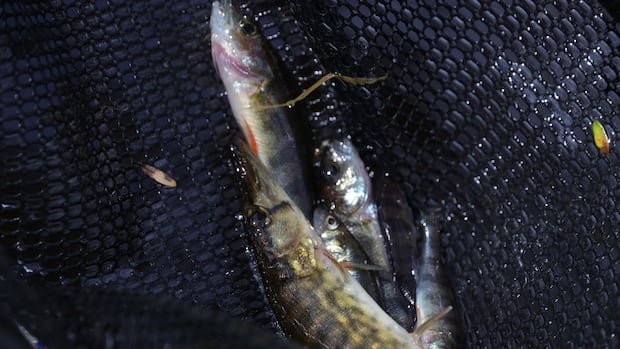
Parks Canada revealed that the current census suspension is a result of chain pickerel’s overwhelming presence, comprising 90% of fish caught in 2025 at the national park in western Nova Scotia. The agency stated that the invasive chain pickerel’s invasion has significantly reduced the number of brook trout reported in the census, rendering the data insufficient for the monitoring project.
The invasion of chain pickerel, introduced to Nova Scotian waters illegally in 1945 and first appearing at the park in 2018, has led to a rapid takeover of the ecosystem. These predators are voracious, consuming various species such as fish, reptiles, frogs, dragonflies, and even ducklings. Efforts to protect the native fish populations with fish barriers were hindered by flooding, proving ineffective in preventing the spread of chain pickerel.
Despite the challenges, Parks Canada remains committed to mitigation efforts, with over 5,300 chain pickerel already removed by staff and volunteers. Anglers are required to retain any chain pickerel caught, while native fish species, including trout, must be released back into the water. The agency will continue monitoring brook trout populations through alternative methods such as the angler diaries program and deploying fyke nets annually in various water bodies within Kejimkujik.
Conservationists are advised to shift their focus to areas not yet invaded by chain pickerel, as early intervention is crucial in managing the spread. Trevor Avery, a biology and mathematics professor at Acadia University, emphasized the importance of population management strategies, ranging from targeted fishing to more extreme measures like the use of rotenone, a natural fish pesticide.
Andrew Lowles, resource manager at the Nova Scotia Department of Fisheries and Aquaculture, acknowledged Nova Scotia’s renowned brook trout fisheries but also highlighted the recreational opportunities presented by chain pickerel. Despite the challenges posed by this invasive species, anglers can still enjoy catching chain pickerel known for their fighting abilities, especially during the summer months.
The situation at Kejimkujik National Park underscores the ongoing battle against invasive species and the importance of proactive conservation efforts to protect native ecosystems and species.