
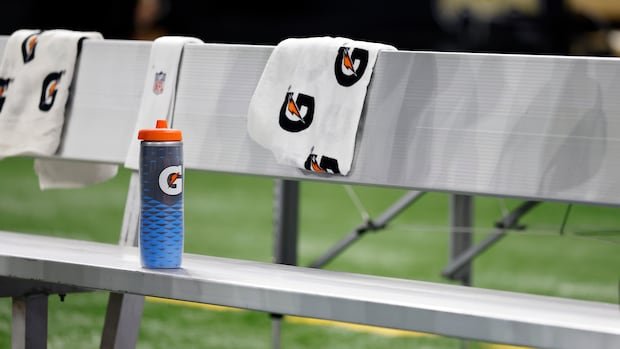

Six decades after the creation of sports beverages, Gatorade is shifting its focus away from solely targeting athletes. PepsiCo, the parent company of Gatorade, announced on Thursday that the brand aims to expand its consumer base to include non-athletes seeking hydration solutions for various situations, such as travel, leisure walks, or recovering from a hangover. The new packaging emphasizes the unique functionalities of Gatorade’s diverse range of drinks and powders, underlining the scientific research supporting their efficacy.
This strategic shift mirrors the growing interest among U.S. consumers in beverages offering perceived health advantages. According to Jack Doggett, a food and beverage analyst at Mintel, research reveals that 60% of sports drink consumers are not athletes but appreciate the functional benefits these products offer, like electrolytes for hydration and carbohydrates for energy. Doggett noted that these drinks are increasingly being used for overall well-being and daily upkeep, appealing to both younger and older generations seeking hydration solutions.
Sales of sports drink mixes, including powders from brands like Liquid I.V., Skratch Labs, and Gatorade, surged by nearly 20% in the year ending March 22, as reported by Circana, a market research firm. In contrast, bottled water sales remained flat during the same period.
Recognizing this growth potential, a wave of new sports and hydration brands has flooded the market, creating a crowded landscape on store shelves. Mike Del Pozzo, President of U.S. beverages at PepsiCo, highlighted that 150 new brands have entered this space in recent years, intensifying competition and increasing pressure for brands to establish credibility. To stay ahead, Gatorade plans to prominently label products that claim superior hydration benefits compared to water. A forthcoming product, Gatorade Longer Lasting, slated for release next year, is formulated with glycerin and electrolytes to enhance hydration duration beyond water alone.
PepsiCo’s approach with Gatorade aligns with strategies adopted by its competitors. For instance, Powerade, owned by Coca-Cola Co., revamped its packaging in 2023 to emphasize increased electrolytes. Last year, Powerade introduced Power Water, a zero-sugar, electrolyte-enriched beverage targeting non-athletes. Similarly, Liquid I.V., initially a sports drink mix founded in 2012, transformed into a wellness and hydration brand following its acquisition by Unilever in 2020. Another brand, LMNT, catered to non-athletes by launching a smaller 12-ounce version of its sparkling electrolyte drink last fall.
Sean Harapko, a leader in the beverage sector at Ernst & Young Americas, emphasized the necessity for companies to differentiate their products clearly amid the myriad beverage choices available to consumers. As Americans strive for healthier lifestyles, companies must articulate the unique value propositions of their offerings to stand out in a competitive market.
Gatorade’s origins trace back to 1965 when Dr. Robert Cade, a physician and professor at the University of Florida, developed the beverage in response to athletes experiencing dehydration during games. Over the years, Gatorade evolved under various ownerships like Quaker Oats and PepsiCo, catering to athletes’ needs for energy and hydration. Despite its athlete-centric legacy, Gatorade has adapted to meet the preferences of non-athletes with lower-sugar options and the removal of artificial colors, attracting a broader consumer base.
While Gatorade remains essential for athletes requiring specific hydration and energy needs, the brand’s expansion into products aimed at non-athletes reflects a broader shift in consumer preferences towards healthier beverage options. The move underscores the evolving landscape of the beverage industry, where brands must innovate and cater to diverse consumer demands to maintain relevance and competitiveness in the market.