
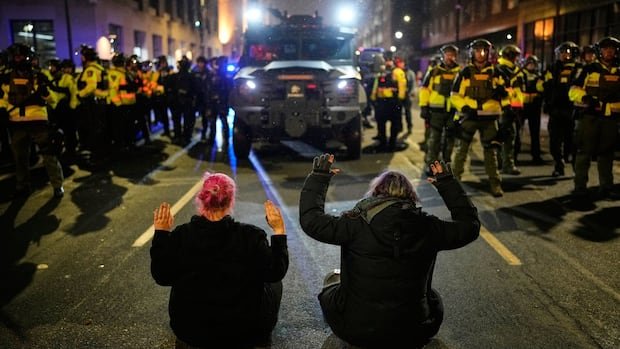

In our weekly newsletter, we delve into environmental trends and solutions driving us towards a more sustainable future. Vivian, an immigrant, reflects on the distress of watching ICE raids unfold and delves into the interconnectedness of migration, climate change, and justice.
This week’s highlights include the correlation between immigration crackdowns and climate change, a unique perspective on the transportation of a nuclear reactor, and the controversial Nova Scotia levy on electric and hybrid vehicles.
Isaias Hernandez, an environmentalist and author from Los Angeles, shares his personal experiences with ICE raids and emphasizes the intertwined nature of migration, climate change, and border enforcement. Dana R. Fisher, a professor at American University, underscores the relationship between fossil fuel emissions, climate impacts, and forced relocations.
Hernandez sheds light on the intersection of immigration crackdowns and climate change, citing a report linking large asset management companies to border industries and fossil fuels. He advocates for awareness of tech companies involved in immigration enforcement and urges action to end partnerships with relevant authorities.
Protests against ICE operations have escalated following fatal incidents, prompting calls for reform and a national strike. Fisher praises the growing resistance against ICE and the demand for systemic change.
Moving on to a different topic, a micronuclear reactor, Ward 250, was recently transported via truck and plane to a military base in Utah. Valar Atomics’ CEO outlines the reactor’s power generation capabilities and operational plans for the future.
Lastly, the Nova Scotia government’s new levy on EVs and hybrids has sparked criticism among some drivers who feel penalized for owning eco-friendly vehicles. The levy aims to fund road infrastructure but has raised concerns about its fairness and impact on EV adoption.
As discussions continue on these pressing environmental issues, it is crucial to consider the broader implications and work towards sustainable solutions.
Thank you for reading What on Earth. For inquiries, feedback, or story suggestions, feel free to reach out to whatonearth@cbc.ca.