
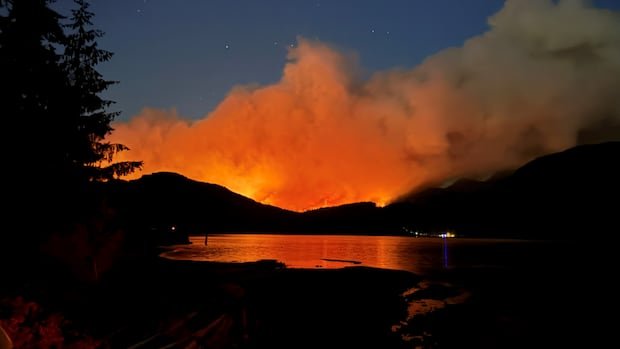

Wildfire season in Canada may start quietly, but experts warn that ongoing drought and a warm summer could lead to another severe year. Wildfire specialist Mike Flannigan views this season as a critical test to determine if Canada’s fire seasons, influenced by human-induced climate change, have transitioned into a new norm. Flannigan suggests a shift towards most years being potentially challenging for wildfires at a national level.
Predicting the exact outcome of Canada’s wildfire season in April is challenging due to factors like fire ignition and rapidly changing weather conditions. However, experts like Flannigan express concerns about the potential wildfire risks based on certain indicators at the beginning of the season.
Parts of Canada, including wildfire-prone regions like British Columbia’s southern Interior and northern Manitoba, have faced abnormally dry or drought conditions following winter. Forecasts indicate above-average temperatures across much of Canada in the upcoming months, with the likelihood of El Niño conditions developing in the summer.
Despite some regions showing early signs of conducive wildfire conditions, a significant portion of Canada enters the season with a positive outlook due to a substantial snowpack from the winter. While some areas like southern B.C. and parts of Alberta and Saskatchewan have experienced early wildfire-promoting conditions, other regions like New Brunswick and parts of the Northwest Territories warrant monitoring for potential risks.
The continuous occurrence of severe fire seasons in Canada is attributed to accelerating climate change, primarily caused by fossil fuel consumption. The warming climate dries out vegetation, making forests susceptible to ignition, while also exacerbating heatwaves and droughts conducive to wildfires. Additionally, managed forests in Canada have started releasing more carbon than they absorb, contributing to a concerning climate feedback loop.
Extreme wildfire behavior, such as generating thunderstorms that spawn lightning strikes, is becoming more frequent. The 2023 wildfire season saw a record number of fire-induced thunderstorms in Canada, highlighting the escalating fire risks. The impact of wildfires extends beyond immediate damage, with smoke exposure posing serious health risks and economic consequences, including high rates of post-traumatic stress among evacuees and significant healthcare costs.
To mitigate wildfire risks, vigilance and proactive measures are crucial. Public awareness campaigns emphasize the importance of fire safety practices, such as ensuring campfires are completely extinguished and following guidelines to prevent new wildfires during the spring season.