
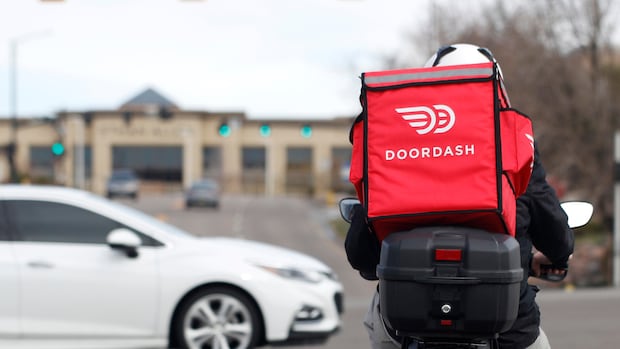

On Thursday, DoorDash announced its intention to acquire Instacart in a transaction valued at approximately $17 billion US, marking a significant move into the rapidly expanding U.S. grocery delivery sector amid increasing competition among app-based services.
DoorDash has proposed to pay Instacart shareholders $65 for each share they own, which is about a 26 percent premium over the stock’s closing value on Oct. 22, prior to the initial reports of acquisition discussions.
As the restaurant delivery market matures, delivery companies are seeking growth opportunities by venturing into grocery and retail sectors.
“Grocery is one of the most challenging sectors to master online,” stated Tony Xu, co-founder and CEO of DoorDash, emphasizing that Instacart has dedicated years to perfecting its grocery delivery service.

Following a pandemic-fueled surge when many people were confined to their homes, the meal kit sector is now facing a significant decline in sales as affordability issues affect Canadians’ budgets.
Grocery delivery services are becoming increasingly popular as consumers, who are more budget-conscious, appreciate the convenience of online options, particularly as gas prices have reached record highs due to disturbances related to the conflict in Iran.
At the same time, intensified competition due to a drop in demand from pandemic highs, along with escalating cost challenges and stringent regulatory oversight concerning gig worker treatment, has led to a wave of mergers and acquisitions within the industry.
Recent notable acquisitions include Just Eat Takeaway’s purchase of Grubhub for $7.3 billion US, DoorDash’s acquisition of Wolt and the U.K.’s Deliveroo in 2025, as well as Uber’s $15 billion US agreement for Delivery Hero earlier this year and Postmates in 2020.
The DoorDash-Instacart deal is anticipated to finalize by late 2027 or in the first half of 2028.
In a regulatory disclosure made on Monday, Instacart indicated that it would cease operations of its Caper Cart smart shopping cart initiative by the end of the second quarter of 2027, projecting associated pre-tax expenses between $55 million and $80 million.