
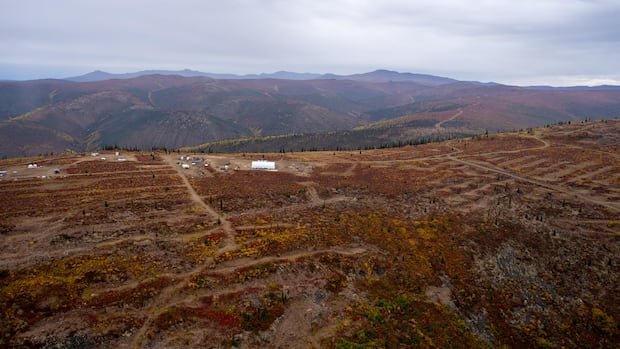

In the Yukon, two major mining projects are planning to generate their own electricity. One of these projects aims to eventually connect to the Yukon’s power grid, provided the necessary conditions are met. The proposed Yukon-B.C. Grid Connect project is designed to enhance the territory’s grid capacity, although it is one of five energy interties prioritized by the federal government.
Shena Shaw, the Vice President of Environment and Community Affairs at Western Copper and Gold (WCG), which owns the Casino Mining Corporation, expressed interest in potentially connecting to the Yukon grid if surplus power becomes available for purchase. However, Shaw emphasized the importance of demonstrating the ability to construct and operate the project as a complete entity before moving forward, as part of the environmental assessment process.
Both the Casino and Coffee Gold mines plan to rely on liquefied natural gas (LNG) for power generation. The Coffee Gold project intends to incorporate a mix of energy sources, including diesel, solar power, and a battery storage system. Despite these plans, concerns remain regarding emissions, with an estimated one million tonnes of carbon dioxide expected to be released during the 11-year operation of the Coffee project, translating to approximately 91,900 tonnes annually.
At the Casino project, around 16,310 tonnes of greenhouse gases are projected to be emitted each year upon commencement of mining operations. In 2023, the entire Yukon territory emitted 732,900 tonnes of carbon dioxide, with transportation accounting for nearly half of the emissions, and mining contributing approximately 15% to the total.
Both WCG and Talamore Mining, the company behind the Coffee Gold project, are focusing on reducing emissions at the source. Initiatives include enhancing truck efficiency and exploring innovations such as overhead cable systems for trucks and expanding solar energy usage. Talamore Mining’s CEO, Tim Warman, highlighted the economic benefits of solar energy integration and emphasized the ongoing need for diesel due to logistical challenges, particularly during certain seasons.
Both companies anticipate having to comply with the industrial carbon tax. The Coffee project is awaiting its quartz mining and water licenses, with expectations to secure them by March of the following year. Meanwhile, the Casino project is undergoing the initial stages of the panel review process with the Yukon Environmental and Socio-economic Assessment Board.