

Five members of the Women Veterans Council within the Canadian Armed Forces have resigned citing a lack of necessary conditions to facilitate impactful work. The council, consisting of 12 members, was established last year following a recommendation in the 2024 Invisible No More Report. This report highlighted the neglect of unique medical and physical needs of female veterans by military and veterans programs.
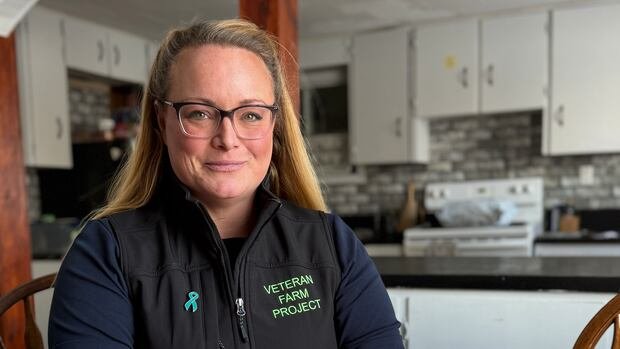
Jessica Miller, one of the departing CAF members, expressed disappointment in the government’s handling of the Invisible No More Report, stating that sex-based discrimination persists within the Canadian Forces and government. The departing members outlined in an open letter dated Jan. 25 that they faced challenges such as unclear mandates, limited engagement mechanisms, inadequate decision-making influence, and insufficient resources.
Despite initial optimism, Miller highlighted the council’s inability to address critical issues affecting women veterans, such as equipment, support for disabilities, and women’s health concerns, which had long been neglected. The lack of response and engagement from government officials further compounded their frustrations.
The departing members had hoped to engage with serving members and veterans but were hindered by non-disclosure agreements. Miller emphasized the importance of communication and the council’s desire to address community concerns directly, which was impeded by restrictions.
The Minister of Veterans Affairs Canada, Jill McKnight, acknowledged the resignations and appreciated the contributions of the departing members. She expressed willingness to continue working with the council to address challenges faced by women veterans. Conservative MP Blake Richards noted a concerning pattern of departures among CAF members, suggesting a disconnect between the council’s intended role and the reality of their experiences.