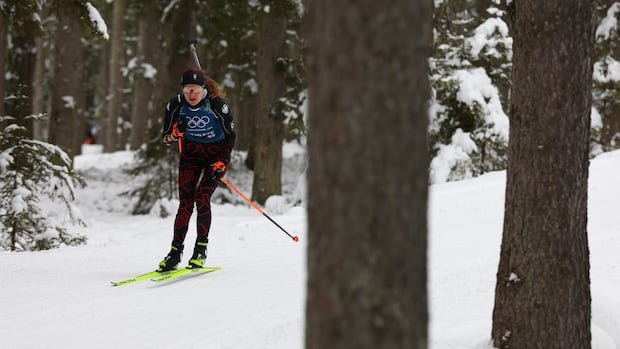

In a bid to leverage optimal snow conditions and combat the impacts of climate change, there are discussions within the International Olympic Committee (IOC) to potentially shift future editions of the Winter Olympics from February to January. This strategic move aims to ensure sufficient snow and colder temperatures for the games. Moreover, the IOC is exploring the inclusion of traditional summer sports in the Winter Olympics to enhance public interest and drive revenue. Scheduled for February, both the 2030 French Alps and the 2034 Salt Lake City Winter Olympics are under consideration for these adjustments.
Karl Stoss, who leads the IOC’s Olympic Programme Working Group, shared insights during an IOC session, mentioning the evaluation of the Games’ scale, sports mix, and potential new additions. There are contemplations on incorporating summer sports like running and cycling disciplines, although some winter sports federations express reservations about this shift impacting their traditional market.
David Lappartient, chief of the International Cycling Union (UCI), highlighted the benefits of adding winter disciplines like cyclocross to the Games, citing the sport’s appeal to audiences and the potential to attract top cyclists. The move is seen as a means to address climate change, broaden universality, and showcase notable athletes.
Further deliberations within the IOC include the possibility of rescheduling the Paralympics to February, aligning them closer to the Winter Olympics. This adjustment aims to tackle challenges posed by late March Paralympics dates when snow quality can be compromised due to stronger sunlight. The potential shift to January for the Winter Olympics and February for the Paralympics is under consideration to optimize both events.
Amid escalating global temperatures and the diminishing availability of natural snow due to climate change, the winter sports industry faces unprecedented risks. An IOC study forecasts that by 2040, only ten nations will have the capacity to host snow sports for the Winter Olympic and Paralympic Games. The 2022 Beijing Games marked a milestone by utilizing nearly 100% artificial snow, employing extensive snowmaking technology to ensure adequate snow coverage on ski slopes.
The last instance of the Winter Olympics starting in January dates back 62 years to the 1964 Innsbruck Winter Olympics. As climate change continues to impact snow conditions worldwide, these proactive measures aim to sustain the integrity and future of the Winter Olympics in the face of environmental challenges.