
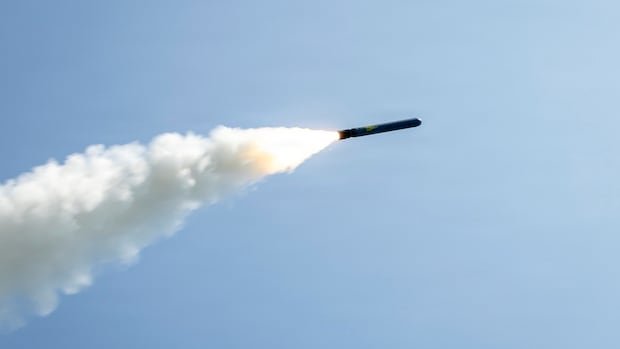

The conflict between the U.S. and Israel against Iran intensified on Wednesday, with U.S. Secretary of War Pete Hegseth asserting that the United States was making significant progress and had the capability to sustain the military operations for as long as necessary. Hegseth revealed that a U.S. submarine had sunk an Iranian warship off the coast of Sri Lanka, resulting in the loss of at least 87 lives. He emphasized that efforts to dismantle and defeat Iranian capabilities were just commencing, with plans to expand operations further inland.
Meanwhile, the son of Iran’s late supreme leader, Ayatollah Ali Khamenei, emerged as a potential successor, indicating Iran’s resilience amid the ongoing conflict. The U.S. submarine strike off Sri Lanka’s coast, far from the Persian Gulf, disrupted crucial oil and gas flows through the Strait of Hormuz, underscoring the conflict’s global impact. Hegseth affirmed the dominance of the U.S. in the conflict, emphasizing the asymmetric nature of the engagement.
In Australia, Prime Minister Mark Carney reiterated Canada’s stance of not directly engaging in the military actions led by the U.S. and Israel in Iran but expressed solidarity with allies when necessary. The Senate in the U.S. rejected a bipartisan resolution to curb President Donald Trump’s military initiatives against Iran, underscoring the divided opinions on the conflict. The War Powers Resolution of 1973 serves as a mechanism to oversee presidential military actions, requiring congressional authorization for prolonged engagements.
The conflict in Iran remains a focal point of global attention, with legal and political ramifications shaping the trajectory of the military operations. Despite challenges in garnering bipartisan support for legislative constraints on the conflict, public sentiment and international dynamics continue to influence the course of action in the region.