
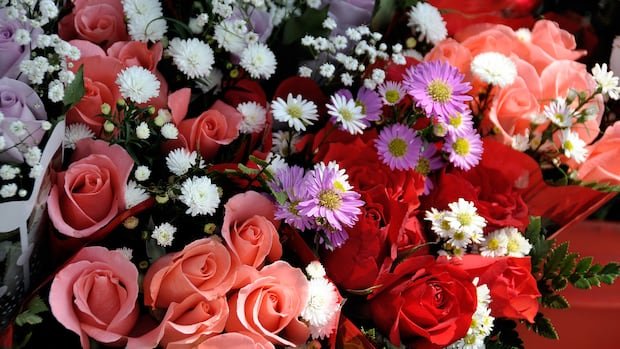

Flowers: More Than Just Beautiful Blooms
Mother’s Day is a special occasion to honor the hard work of moms, often celebrated with the gift of flowers. Beyond their aesthetic appeal and pleasant fragrance, flowers have a rich history of conveying emotions such as love, gratitude, and joy.
In 2025, over 425 million flowers were cut in greenhouses nationwide, as per a recent study by Statistics Canada. Biologist David George Haskell points out that while we admire flowers for their visual and olfactory charm, their evolutionary significance often goes unnoticed.
Flowering plants made their debut around 130 million years ago and rapidly spread worldwide, now constituting about 90% of all plant species on Earth. Haskell highlights a key advancement: flowers uniting male and female reproductive structures within a single bloom, a breakthrough that revolutionized reproduction efficiency.
By enticing insects and other pollinators with vibrant colors and enticing scents, flowers optimized their pollination process. This strategic partnership between plants and pollinators evolved over millions of years, resulting in the diverse array of flower shapes, colors, and fragrances we see today.
Flowers’ intricate designs and mechanisms extend beyond pollination. They have devised ingenious ways, such as fruit production, to ensure offspring survival and dispersal. Fruits, derived from mature flowers, not only protect seeds but also aid in their dissemination through animals.
Humans, however, can disrupt this delicate ecosystem balance by prioritizing aesthetics over ecological value. Susan Dudley urges a shift in perspective, encouraging a deeper appreciation for flowers’ natural beauty and their essential role in supporting biodiversity.
Gardening practices can play a pivotal role in preserving floral diversity and ecosystem health. By opting for native plant species and eco-friendly gardening methods, individuals can contribute to safeguarding the intricate relationships between flowers, pollinators, and the environment.
Ultimately, the hope is for people to view flowers through a new lens, considering their evolutionary journey and ecological importance. Haskell advocates for a deeper connection with nature, prompting individuals to reflect on the transformative impact flowers have had on the world.