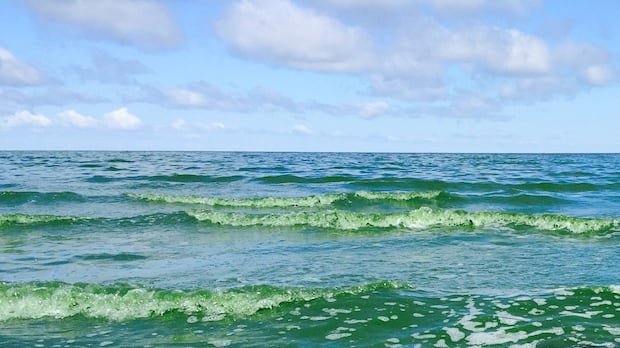

Researchers are delving into the overlooked realm of viruses infecting microalgae in Lake Winnipeg, aiming to unveil crucial insights into the lake’s future health amid environmental challenges. Prof. Emily Chase, a microbiologist and virologist at the University of Winnipeg, is spearheading this pioneering study.
Chase’s groundbreaking research focuses on the interaction between viruses and microalgae in Lake Winnipeg, shedding light on the vital role these single-celled organisms play in the lake’s ecosystem. Despite the negative reputation of microalgae for forming harmful blue-green films, they are essential energy sources in the lake’s food web.
The study seeks to understand how viruses may impact broader lake dynamics and potentially contribute to the collapse of algal blooms, which can affect water quality and recreational activities. By exploring the role of viruses in Lake Winnipeg’s ecosystem, researchers aim to enhance predictive models for future scenarios, especially in the face of climate change.
Chase draws on her expertise gained from previous algae-virus research in the Mediterranean Sea and emphasizes the need to unravel the complex interplay between viruses, algae, and climate change. The study’s findings could offer valuable insights into mitigating the impact of environmental stressors on Lake Winnipeg’s ecosystem.
As concerns mount over the implications of climate change on Lake Winnipeg, understanding the intricate relationship between viruses and algae is crucial for safeguarding the lake’s ecological balance. Researchers anticipate that this in-depth investigation will provide essential knowledge to address longstanding gaps in understanding the lake’s ecosystem dynamics.