
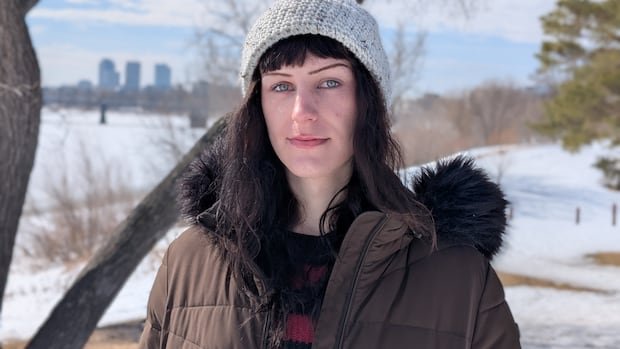

A Ukrainian refugee in Manitoba is facing challenges in changing her legal name due to the provincial government’s rejection of her requests. Martha Hozha, 25, has been trying to update her name since arriving in Canada two years ago, but her identity documents have not been accepted by the authorities.
Hozha expressed concerns that retaining her birth name on official documents exposes her to transphobia and hinders her ability to express her gender identity. She emphasized the importance of using the correct name and pronouns for personal well-being.
Despite holding a refugee protection claimant document issued by Canadian authorities, which identifies her by her birth name and as male, Hozha’s efforts to legally change her name have been met with obstacles. Her Ukrainian passport was confiscated when she sought asylum, leaving her with limited government-issued identification.
While foreign nationals typically need to request name changes through provincial or territorial authorities, exceptions exist for protected individuals like accepted refugee claimants. However, Hozha’s attempts to update her name based on the acceptance of her asylum claim were not recognized by the Manitoba Vital Statistics Branch.
Legal experts, including Susan Ursel, argue that the refusal to amend Hozha’s name violates her Charter rights and protections under Manitoba’s human rights code. They believe the decision is discriminatory and fails to consider the impact on her gender identity and expression.
The Manitoba ombudsman declined to investigate the matter further, citing that the refusal was not inherently wrong. The decision outlined the province’s criteria for accepting name-change requests but did not extend the same courtesy to foreign passports or refugee protection IDs.
Critics, such as Celeste Trianon of Juritrans, highlight the challenges faced by trans migrants in changing their documentation, leading to potential hardships in various aspects of life. Trianon emphasized the significance of recognizing and upholding the rights of individuals, regardless of their gender identity.
While Manitoba has expanded its human rights code to encompass gender expression, cases like Hozha’s underscore the ongoing struggles faced by marginalized communities. Advocates stress the importance of treating protected persons as valued members of society and urge authorities to address systemic barriers that hinder their rights.
Lenny Emson, director of development at KyivPride Canada, shared similar concerns, noting the emotional impact of being addressed by one’s deadname. He highlighted the need for expedited processes to ensure individuals like Hozha can access the necessary documentation without prolonged delays.