
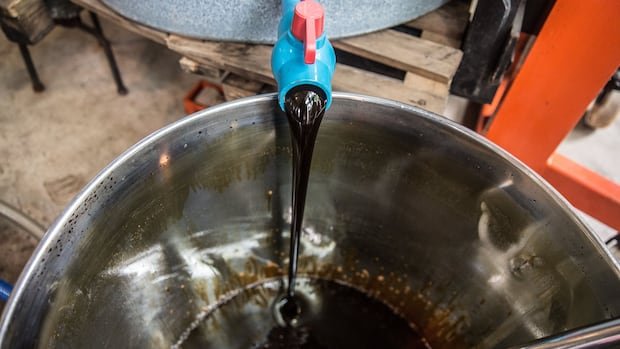

Amidst the ongoing trade tensions between the U.S. and Canada during President Donald Trump’s current term, the decision to prohibit Canadian molasses imports has sparked controversy. The ban, set to commence on September 29 alongside restrictions on motorcycles, certain dairy products, and most alcoholic beverages, has raised eyebrows within the industry.
The move follows persistent lobbying efforts by American sugar producers to increase tariffs on foreign sugar goods, citing unfair competition from cheaper imports. Specifically, concerns have been raised about Canadian refineries allegedly importing sugar blends disguised as pure molasses to evade sugar tariffs and quotas.
At a recent industry event in Vail, Colo., Sugaright, a division of Connecticut-based CSC Sugar, highlighted the issue of diluted Canadian molasses, labeling it a potential circumvention problem. The U.S. sugar industry, supported by the federal government, is determined to halt these imports completely.
The genesis of the issue dates back to the 1990s when a Michigan company, Heartland By-Products, utilized a similar tactic involving molasses, sugar, and water at its Ontario facility. While legally permissible at the time, regulatory pressures eventually led to the company shutting down its operations in the early 2000s.
Despite claims by sugar companies of ongoing disguised molasses imports from Canada, a recent USDA report suggests a decline in molasses imports for sugar extraction. However, industry stakeholders are pushing for stricter measures, citing concerns about circumventing U.S. sugar tariffs.
Sucro Can Sourcing, a Florida-based company with a major refinery in Hamilton, has come under scrutiny in this context. The company’s chair, Don Hill, insists that the accusations are unfounded attempts to discredit their legitimate operations.
While Sucro’s molasses imports to the U.S. were approved in 2020, recent developments have prompted a shift in focus towards the Canadian market. Hill expressed frustration over the industry’s backlash and the toxic environment surrounding the trade of molasses.
The American Sugar Alliance, representing major U.S. sugar producers and refiners, has welcomed the molasses import ban, emphasizing the importance of upholding trade laws and protecting American interests. However, concerns regarding targeted actions against specific companies remain unresolved.
Industry experts point out that sugar refining has historically been influenced by low profit margins and intense competition, leading to various forms of regulatory manipulation and political interventions. The complex dynamics of the sugar trade, coupled with protectionist measures, continue to shape the industry’s landscape.
As debates over molasses imports persist, questions regarding the rationale behind the ban remain unanswered. The broader implications of these trade restrictions in the context of U.S.-Canada trade relations underscore the complexities of international commerce.