

On the seventh floor of the vast Quan Ju De restaurant in Beijing, there is a small museum that commemorates the historical significance of “roast duck diplomacy.” Faded black and white photographs depict U.S. President Richard Nixon and Secretary of State Henry Kissinger dining with Chinese leaders, including Premier Zhou Enlai, in 1972. This pivotal meeting led to the normalization of relations between the United States and China, showcasing the impact of high-level diplomatic engagements over a meal.
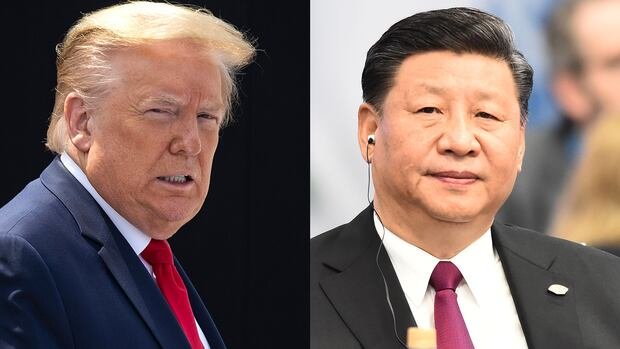
Amidst the diplomatic and political circles in Beijing, speculation arises about whether the current U.S. President, Donald Trump, will participate in upcoming talks. Engrossed in managing a self-initiated conflict in Iran and facing internal pressures, Trump has deferred addressing key issues with China to concentrate on strategic military matters.
Initially scheduled for March 31, Trump’s visit to China now faces uncertainty. While Trump hinted at only a short delay, the exact timing remains unclear. Chinese officials have mentioned ongoing communication to determine the summit’s schedule with President Xi Jinping.
Economic analysts in Beijing express uncertainty about the visit timeline, citing Trump’s unpredictability in decision-making. The fluctuating political climate adds to the ambiguity surrounding the summit’s timing.
Despite the delays, Beijing finds a silver lining in Trump attributing the postponement to his domestic challenges rather than Chinese resistance. This shift in blame helps ease tensions between the two nations and allows for additional preparatory work before the summit.
The forthcoming summit holds immense significance given the high stakes involved in the U.S.-China trade relationship. Both countries have experienced tumultuous trade disputes, leading to economic uncertainties and market disruptions. A resolution through the summit is crucial for restoring economic stability and fostering mutual cooperation.
As the summit’s timing remains in limbo, concerns mount over eroding leverage and unresolved trade issues. Legal hurdles, including recent rulings on national security tariffs, further complicate negotiations between the two nations.
The agenda for the summit includes discussions on various contentious topics such as trade disputes, technological exchanges, and geopolitical tensions. The ongoing conflict in Iran adds another layer of complexity to the discussions, affecting energy markets and regional stability.
With Canada also navigating its relationship with China amidst the global trade landscape, the outcome of the Trump-Xi summit holds significance for international trade dynamics. The potential impact of trade agreements and tariffs underscores the volatile nature of current diplomatic engagements.
The future of the Quan Ju De dining table remains uncertain, awaiting the presence of the key players for what could be a crucial diplomatic dialogue.