
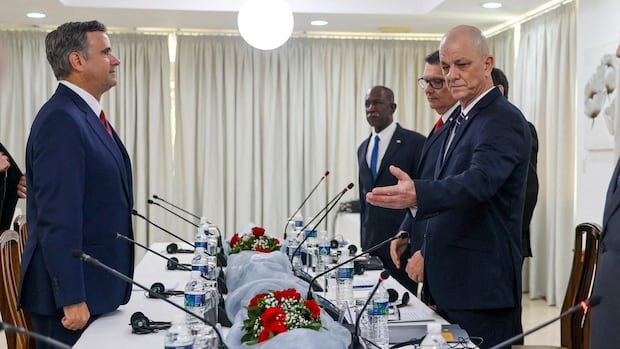

In a publicized meeting, U.S. President Donald Trump utilized CIA Director John Ratcliffe to convey a message to Cuban officials in Havana. The disclosure of Ratcliffe’s visit marked a departure from the usual secretive nature of CIA director travels. Photos of the meeting were released by the CIA, and Ratcliffe was seen boarding a U.S. government plane in Havana.
The Cuban government acknowledged the meeting, stating that it was at the U.S.’ request. Ratcliffe reportedly delivered a message from Trump, indicating a willingness to engage with Havana only if significant changes were made in Cuba. This move by Trump to send a spy chief is seen as a strategic choice to apply pressure on the Cuban regime.
The Trump administration has been intensifying pressure on Cuba through various means, including sanctions, spy plane operations, and restricting fuel imports. Reports also suggest plans to seek an indictment against former Cuban leader Raúl Castro. Despite the U.S.’ actions, the Cuban government has faced economic challenges and fuel shortages.
Retired diplomat Lawrence Gumbiner noted that Trump’s decision to send Ratcliffe aligns with his preference for non-traditional envoys over diplomats. Gumbiner highlighted that using the CIA chief for diplomatic missions is not unprecedented. Ratcliffe had previously met with Venezuelan officials following the ousting of President Nicolás Maduro.
The Trump administration’s reliance on CIA channels for diplomatic endeavors in Venezuela and now in Cuba reflects a strategy to exert pressure and seek potential regime changes favorable to U.S. interests.