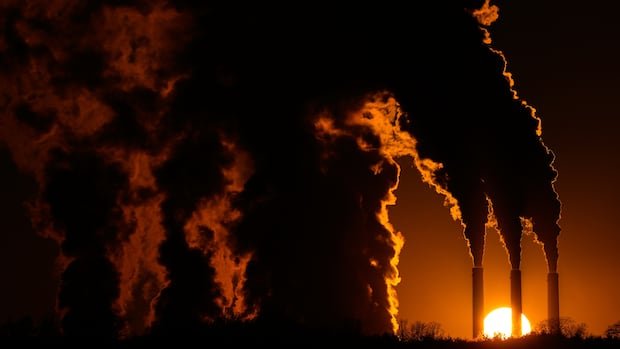

The Trump administration has revoked a crucial legal underpinning that has shaped emissions regulations in the U.S. since the Obama administration, withdrawing the endangerment finding of the Environmental Protection Agency (EPA). This finding has served as the legal and scientific foundation for American climate action since 2009, following a Supreme Court decision that recognized the impact of greenhouse gases on the population. It has been instrumental in guiding the regulation of greenhouse gases by the EPA and other U.S. agencies across various sectors, including industrial operations and vehicle emissions. The repeal of this finding, announced by U.S. President Donald Trump and EPA Administrator Lee Zeldin, is described as a significant deregulatory move, with Trump criticizing it as the basis for what he termed the ‘green new scam.’
Environmental groups and critics have strongly opposed this decision, pledging to challenge it in court. California Governor Gavin Newsom expressed concerns about the potential consequences, warning of increased natural disasters and climate-related threats if the action is not countered. The motivation behind this move by the U.S. administration is linked to its support for the fossil fuel industry, aiming to enhance oil and gas exports and lower energy costs for consumers. President Trump’s directive to review the endangerment finding aligns with his objective to eliminate what he views as overly restrictive energy regulations driven by ideology, particularly affecting fossil fuel production.
The rescission of the endangerment finding signifies a setback in American climate policy, according to experts and environmental advocates. It may impact regulations on power plants, particularly those relying heavily on coal in 2009, as well as methane emissions controls. Additionally, there could be implications for vehicle emission standards, potentially hindering the U.S. in the global electric vehicle market. Legal challenges are expected, with environmental groups gearing up to contest the decision in court, although the composition of the judiciary with more conservative judges raises uncertainties about the outcome.
The repercussions of this action extend beyond the U.S., potentially creating divergence in vehicle standards between the U.S. and Canada. Canada’s recent announcement of new vehicle emissions standards signals a shift away from alignment with U.S. policies on clean energy. Experts emphasize the need for Canada to pursue its own path in combating climate change, irrespective of setbacks in the U.S. Efforts to combat climate change globally, embrace clean energy technologies, and transition to sustainable practices are deemed crucial, with vigilance required to counter climate change denial and ensure progress in reducing emissions.