

A recent research study conducted by the University of British Columbia has highlighted the potential environmental harm caused by artificial turf fields in the Metro Vancouver area. According to the study, these fields are releasing a toxic chemical harmful to coho salmon. Published in the Environmental Science Processes & Impacts journal, the study revealed that the fields are leaching a substance called 6PPD-quinone into stormwater systems, eventually making its way into local streams and rivers during rainfall.
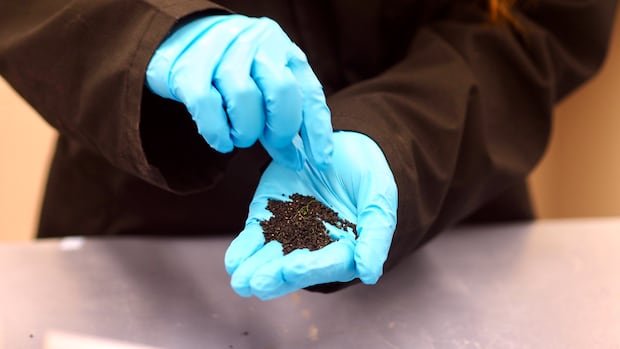
The research team identified the source of the contamination to be the crumb rubber infill, which consists of small black pellets typically made from recycled tires. Samples were collected from 12 artificial turf fields in Metro Vancouver, along with stormwater samples from the drainage systems of three fields during rain events. Surprisingly, even fields that had been in place for over a decade exhibited persistent contamination, indicating a long-term issue.
Katie Moloney, a PhD student in environmental engineering at UBC, emphasized the significant volume of crumb rubber present in artificial turf fields, with an average field containing approximately 125 tonnes of the material, equivalent to around 20,000 tires. This poses a continuous threat, as the fields can release pollutants into stormwater systems for years without proper mitigation measures.
The study highlighted the lethal effects of 6PPD-quinone on coho salmon and other aquatic species. Even small quantities of the chemical can have devastating consequences on fish populations. With the stormwater runoff from these fields potentially reaching fish-bearing waterways without proper treatment, the researchers underscored the urgency of addressing this environmental hazard.
In response to the study findings, the Vancouver Park Board announced a shift away from crumb rubber infill, opting for inert and non-toxic alternatives like EPDM rubber. Other municipalities, such as Surrey and Burnaby, have also acknowledged the issue and are taking measures to address potential risks associated with artificial turf fields. These efforts include testing infill materials, installing catch basins, and collaborating with local environmental groups to safeguard water quality.
To mitigate the risks posed by these harmful chemicals, the researchers suggested using alternative infill materials like polymer or implementing treatment systems beneath the fields to capture contaminants before they enter the stormwater system. While these solutions may come at a higher cost, they offer a more sustainable approach to protecting aquatic ecosystems from the negative impacts of artificial turf fields.