
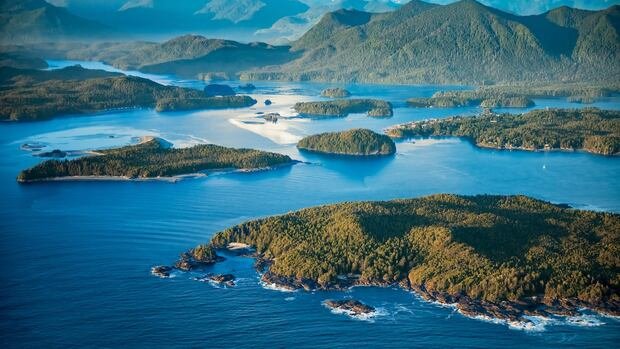

The Tla-o-qui-aht First Nation in the vicinity of Tofino, B.C., has expressed frustration and anger following the recent issuance of over 30 mineral exploration permits by the B.C. government within its territory. The nation has emphasized that mining is prohibited in the Tranquil Creek watershed, situated northeast of Tofino, where these exploration permits have been granted.
Saya Masso, the lands and resources manager of Tla-o-qui-aht, has stated that the permits, intended for exploring quartz containing gold veins in the area, contradict the conservation initiatives that the nation has been diligently pursuing in the region. Masso highlighted, “Our focus lies on accessing river water for drinking purposes, as well as reviving our fisheries. Mining activities run counter to our broader interests, spanning from tourism and cultural preservation to fishing and water consumption.”
The Ministry of Mining and Critical Minerals, in a written communication, disclosed that the multi-year area-based permit allotted to Imperial Metals is set to expire in February 2031. The ministry outlined the authorized work, which includes twenty-two drill sites with minimal land impact, six trenches of varying lengths and depths, three helipads to minimize road usage, and a restricted total ground disturbance area that must be restored after use. Additionally, measures such as water-use constraints on Tranquil Creek, safeguards for archaeological sites, and precautions to avoid disruption of old-growth regions were incorporated into the permit.
Despite the ministry’s assertion of an exhaustive evaluation process involving the Tla-o-qui-aht and the ʕaḥuusʔatḥ nations, Masso contended that the review was inadequate. He emphasized that their opposition to the mining permits was clearly articulated without sufficient consultation, which he believes does not align with the land vision of Clayoquot Sound. The nation has invested significant resources in the restoration and recuperation from the adverse effects of logging and deforestation.
Imperial Metals’ president, Brian Kynoch, expressed gratitude for the exploration permits, underscoring the economic significance of mineral exploration and mining in British Columbia. Kynoch emphasized the positive collaborations between First Nations and the mining sector in various projects across the province. Despite Imperial Metals’ commitment to engaging respectfully with First Nations and local communities, Masso raised concerns about the mining industry’s history of environmental issues, citing instances of acid rock leakage and tailing pond incidents. The nation highlighted Imperial Metals’ involvement in the 2014 tailings pond collapse at Mount Polley Mine, emphasizing their reservations about potential negative impacts on the region and its watersheds due to mining activities.