
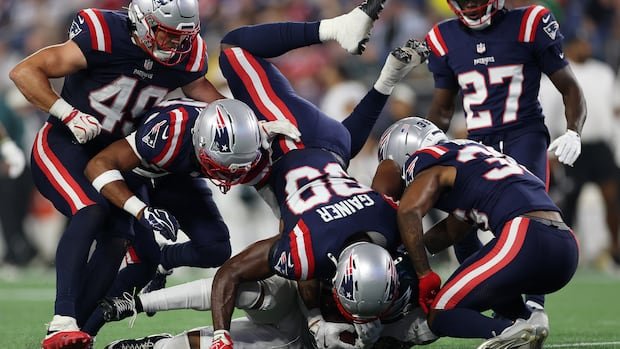

A recent study conducted by a prominent U.S. research team revealed that around one in four former National Football League (NFL) players exhibited signs of chronic traumatic encephalopathy (CTE) at the time of their death. CTE, a brain disease linked to repetitive head injuries commonly seen in contact sports, can result in severe symptoms such as memory loss, balance issues, and significant behavioral changes including depression, aggression, and suicidal thoughts.
While past research has indicated a high prevalence of CTE in deceased NFL players, the current study sought to estimate the overall occurrence of CTE in all NFL players. Shockingly, the study found that over 90% of donated brains from former players showed evidence of CTE. This research spanned players who passed away between 2008 and 2021, predating the introduction of protective headgear modifications that lessen head impact severity.
Lead author Dr. Daniel Daneshvar of Mass General Brigham and Harvard Medical School expressed both surprise and sadness at the alarmingly high minimum CTE rate uncovered by the study. He highlighted that a substantial number of NFL players with CTE also met the criteria for dementia, underlining the severe impact of the disease on cognitive function.
The study’s findings emphasize the importance of raising awareness about the risks associated with repeated head trauma and the need for preventive measures to safeguard athletes’ brain health. While efforts have been made to enhance player safety in professional sports leagues like the NFL, continued research and proactive steps to minimize all forms of head impacts are crucial in mitigating the long-term consequences of CTE.
Leading neuroscientists, including Dr. Charles Tator, emphasize the necessity of early intervention and stringent safety measures in sports to prevent prolonged exposure to head injuries. They advocate for comprehensive strategies to protect athletes’ brains, stressing the significance of proactive measures in reducing the incidence of CTE and related cognitive impairments.
Ongoing research is vital to unraveling the complexities of CTE and exploring potential treatments for the debilitating condition. Despite the challenges in diagnosing CTE during a person’s lifetime, the study underscores the urgent need to shift discussions from understanding the disease to developing effective interventions that could potentially lead to a cure.
The study’s revelations serve as a poignant reminder of the devastating impact of CTE on athletes and the pressing need for continued efforts to protect and preserve cognitive health in sports.