
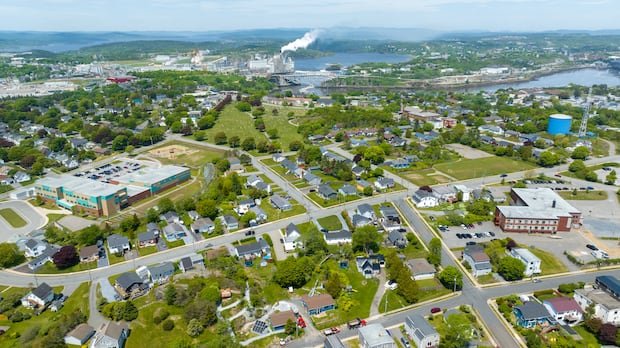

On May 26, a local air quality monitoring station in Saint John detected abnormal readings at the Hillcrest Baptist Church parking lot on the west side of the city. The levels of fine particulate matter in the air began to increase significantly at around 10 a.m., surpassing safe thresholds by 2 p.m., posing risks to vulnerable populations like children, seniors, and individuals with respiratory issues.
Fine particulate matter comprises minuscule airborne particles originating from various sources such as vehicles, industries, chemical processes, and natural events like wildfires. Melanie Langille, CEO of NB Lung, emphasized the health hazards posed by these invisible particles, especially for individuals with asthma, emphysema, chronic bronchitis, and heart conditions.
Despite observing the concerning spike in air quality, there was no public alert issued regarding the incident. An investigation pointed to potential emissions from the Irving Pulp & Paper mill, located close to the monitoring station, as a probable contributing factor. The department suspected a combination of unfavorable weather conditions trapping pollutants at ground level and increased emissions during maintenance activities at the mill.
J.D. Irving Ltd., the company operating the mill, stated that while there was no definitive evidence linking them to the elevated pollution levels, they proactively adjusted their operations to mitigate any potential impact on air quality. By late afternoon, the air quality readings had returned to normal levels, with officials deeming the event too brief to warrant a public notice.
Local clean air advocate Gordon Dalzell contested this decision, highlighting the importance of informing the public, especially those with health vulnerabilities, about such incidents. Similar spikes in fine particulate matter have been recorded in the area over the past two years, underscoring the need for improved air quality monitoring and communication efforts.
While existing tools like the federal Air Quality Health Index provide some level of awareness, Dalzell suggested the implementation of public notifications linked to individual monitoring stations to enhance transparency and response to localized pollution events. Educating the community about air quality issues and integrating air quality forecasts into weather reports were also recommended to raise awareness and safeguard public health.