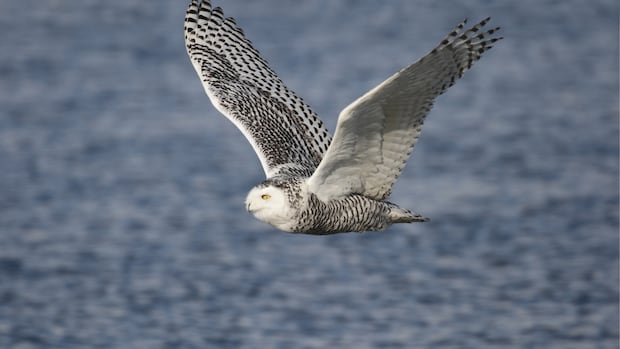

The population of snowy owls soaring across the Arctic tundra is dwindling significantly due to various threats, but the process of granting them legal protection is moving slowly. These iconic birds are facing challenges such as habitat loss caused by denser ground cover and scarcity of prey. Additionally, collisions with vehicles, buildings, and power poles during migration are contributing to the decline in their numbers.
With a current population of about 14,000 snowy owls, their numbers are decreasing by over 30% per decade. The species has been classified as threatened primarily due to the steep drop in their population figures, as highlighted by Syd Cannings, a retired biologist who was part of the Committee on the Status of Endangered Wildlife in Canada.
Despite the scientific assessment indicating a declining population, legal protection is not automatically activated. Extensive consultations involving researchers, federal, Indigenous, and local governments are carried out post the species being marked as threatened. This conservation process can span over two years or more, leaving the vulnerable snowy owls exposed to threats before any protective measures are implemented.
The formal listing of a threatened species under federal law in the North can take two years or more from the assessment phase, according to Cannings. The government proceeds cautiously in this regard to ensure a thorough evaluation process, considering the potential implications on various stakeholders.
The snowy owl serves as an indicator of environmental health and is considered an umbrella species. Hence, its decline signifies broader ecological issues affecting other flora and fauna. The main threat faced by these birds is the gradual alteration of their habitat due to global warming, resulting in the loss of vital hunting grounds and nesting sites.
Consultations regarding the protection of the snowy owl are ongoing within the federal government, following the committee’s assessment under the Species at Risk Act. The environment minister received the evaluation report in October and extended consultation timelines in January to fulfill land claims obligations, marking the initiation of the consultation process.
Snowy owls, known for their nomadic behavior and feeding habits, are impacted by various threats such as avian flu, collisions, and poisoning. The complex nature of the challenges faced by these birds makes conservation efforts challenging, requiring a global approach to address the underlying issues affecting their population.
Cameron Eckert, director of the Yukon Bird Club, emphasized the cultural significance of the snowy owl’s migration patterns and the challenges posed by climate change and natural cycles on their population. The charismatic appeal of these birds resonates with people, symbolizing a vital link to the Arctic region in our cultural heritage.