
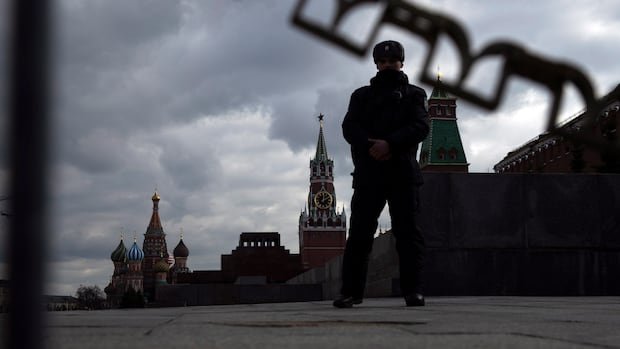

This summer has seen a rise in tensions in Eastern Europe, with increasing signs that Russia may be gearing up to challenge NATO solidarity by testing its limits. Incidents involving Russian drones intruding into Polish and Romanian airspace, as well as a missile strike in Poland, have heightened concerns among officials in the region.
The main worry is not a sudden large-scale invasion by Russian forces, but rather the possibility of Moscow carrying out a calculated, limited act of aggression. This act would aim to instill fear and destabilize NATO without triggering a clear invocation of Article 5, the alliance’s self-defense clause.
Recent events, such as a Russian cruise missile landing in Poland and drone activities near Polish airspace, indicate a growing sense of urgency. Experts suggest that the Kremlin’s frustration over the ongoing conflict in Ukraine may be driving a strategic shift towards undermining NATO’s political unity.
While there is no definitive evidence of an imminent conventional war with NATO, warnings from Western intelligence agencies have become more specific. Reports suggest that Russia could be planning provocations against NATO members to assess the alliance’s response and cohesion.
Amidst these developments, concerns have been raised about potential Russian actions using captured Ukrainian drones to create false-flag operations against NATO countries. Such actions could sow confusion and discord within the alliance, potentially weakening support for Ukraine.
As tensions continue to escalate, the role of the U.S. in leading the NATO response remains uncertain. Questions linger about the level of commitment and leadership from the current administration, raising concerns about the alliance’s ability to effectively navigate potential challenges posed by Russia’s actions.
Overall, the evolving situation in Eastern Europe underscores the need for vigilance and strategic coordination among NATO members to address emerging threats and preserve regional stability.