
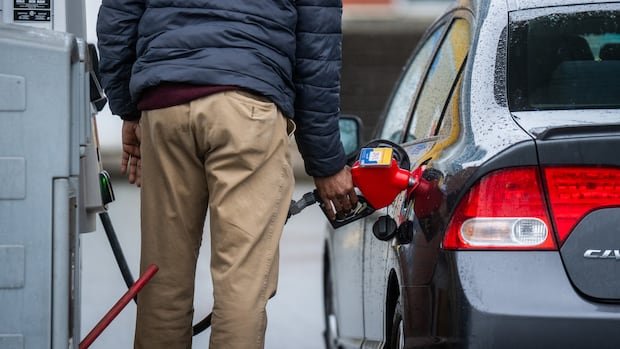

Ride-hail driver Kuljeet Singh in Vancouver feels anxious every time he stops at a gas station. He watches the rising fuel prices with a sense of dread, jokingly mentioning that it sometimes feels like he is on the verge of a heart attack. The recent surge in global gas prices, attributed to the U.S. and Israel’s military actions against Iran, has resulted in disruptions in tanker traffic at the vital Strait of Hormuz shipping route. This increase in gas prices is particularly impacting ride-hail drivers, many of whom spend long hours on the road, leading to concerns about burnout as they struggle to cope with the additional expenses.
According to data from Gasbuddy.com, the average gas price in Canada stood at around 168.1 cents per litre as of Tuesday, with British Columbia experiencing even higher prices at an average of 187.3 cents per litre. For Singh, who also serves as the director of the Ride Hailing Driver Association of B.C., the escalating prices mean an extra $20 to $25 spent each time he refills his vehicle, a task he has to do every three to four days while working for Uber and Lyft. This translates to an estimated additional expenditure of $150 to $200 per month to operate in downtown Vancouver.
With the ongoing conflict in the Middle East causing disruptions in oil production, Joe Calnan, vice president of energy at the Canadian Global Affair Institute, emphasizes that despite Canada’s status as a significant oil producer, it remains susceptible to price fluctuations due to the interconnected nature of the global crude market.
Ride-hail drivers like Earla Phillips in Ontario are feeling the financial strain of rising gas prices, struggling to cover expenses and turning to measures such as accepting fewer trips to mitigate costs. Phillips highlights concerns about driver and passenger safety, as drivers may feel compelled to work longer hours to make ends meet. She suggests that companies like Uber and Lyft should consider implementing fuel surcharges for riders during times of elevated gas prices to alleviate the financial burden on drivers.
While Uber introduced a fuel surcharge in 2022 amid soaring gas prices resulting from geopolitical events, it remains to be seen whether other ride-hailing companies will follow suit in response to the current price hikes. As drivers grapple with the economic challenges posed by escalating gas costs, some, like Abdul Jaber, are contemplating seeking alternative sources of income due to the diminishing viability of ride-hailing as a sustainable option in the face of mounting expenses.