
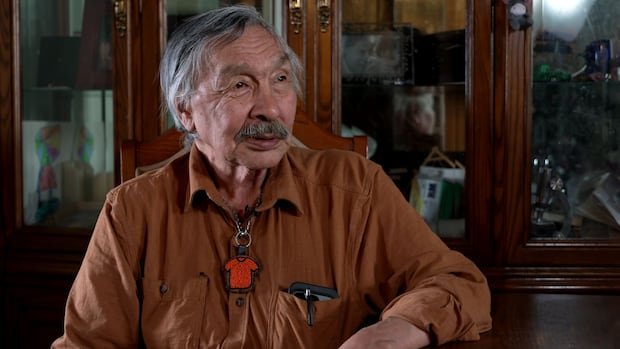

Jack Anawak, a former Nunavut politician and residential school survivor, expresses disbelief at those who deny the atrocities that took place in residential schools. Anawak questions whether deniers genuinely believe their stance or simply aim to erase the history of First Nations and Inuit peoples through assimilation. He emphasizes the lasting impact of the abuses Indigenous individuals endured, including physical, sexual, emotional, and spiritual trauma, along with attempts at forced assimilation.
Recently, Nunavut Sen. Nancy Karetak-Lindell, also a survivor of the residential school system, proposed an amendment to Bill C-9, known as the Combating Hate Act. The amendment sought to criminalize residential school denialism, mirroring similar legislation regarding Holocaust denialism. However, the amendment did not pass, raising concerns about the prioritization of freedom of expression over acknowledging and combatting historical atrocities.
Sean Carleton, an associate professor specializing in history and Indigenous studies, criticizes the imbalance in how Canada addresses denialism, noting the discrepancy between criminalizing Holocaust denialism and allowing denial of the Indigenous genocide to persist. Carleton stresses the need for Canadians to confront the foundational injustices that shape the country’s relationship with Indigenous communities.
Kimberly Murray, a national scholar in Indigenous legal studies, highlights the systemic inequities exposed by the defeat of the amendment. She underscores the importance of acknowledging and combating denialism to prevent the erasure of Indigenous history and ongoing struggles.
Carleton expresses surprise at the government’s failure to address residential school denialism in the original Bill C-9, emphasizing the urgent need to combat anti-Indigenous racism. While the government has pledged funds to address denialism, there is a call for more concrete actions to address this pressing issue.
Anawak emphasizes the importance of listening to the voices of Indigenous peoples in addressing denialism, asserting that further consultation is unnecessary as Indigenous communities have already made their stance clear. Both Carleton and NDP MP Leah Gazan criticize the lack of government action on combating denialism, stressing the need for accountability and concrete steps to address this issue.
While criminalization is seen as a positive step, experts like Carleton and Murray advocate for broader initiatives, including improved education on residential schools. With the amendment defeated, Karetak-Lindell and other Indigenous senators are exploring alternative avenues to advance legislation against denialism, underscoring the resilience and determination of Indigenous communities in confronting historical injustices.