
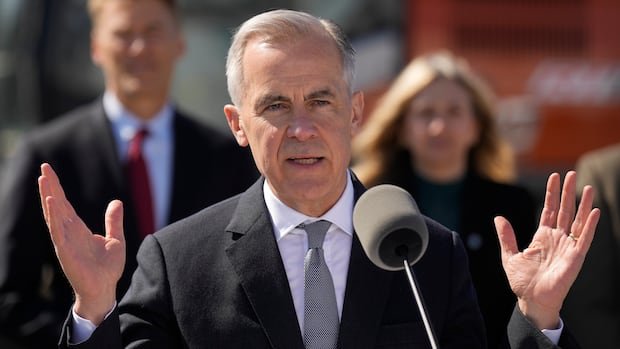

Prime Minister Mark Carney declared on Thursday that the current ban on American alcohol in the provinces could be lifted swiftly if the United States eases the tariffs that have severely impacted key Canadian sectors like steel, automotive, and forest products.
Carney emphasized that the prohibition on American beer, wine, and spirits was a response to the trade conflict initiated by U.S. President Donald Trump, which has caused significant harm to various Canadian industries. He stated that any policy change regarding the ban would only be considered once relief is provided by the White House.
During a press conference in Ottawa about housing issues, Carney mentioned that progress could be made promptly on lifting the ban if advancements are made in other trade areas. He specifically highlighted the Section 232 tariffs on Canadian industrial goods that have resulted in plant and mill closures.
Responding to a threat from U.S. Trade Representative Jamieson Greer to impose retaliatory measures if the liquor boycott persists, Carney criticized the tariffs imposed by the U.S. on Canadian products. He emphasized that the hefty tariffs on steel, aluminum, automobiles, and forest products were not just irritants but violations of the trade agreement between the two countries.
Carney noted that the tariffs have inflicted significant damage on the provinces, leading them to maintain the ban on American alcohol sales. While some provinces like Alberta and Saskatchewan have started restocking U.S. alcohol, the ban remains in effect in other regions, including Ontario. Ontario Premier Doug Ford affirmed that until the trade war issues are resolved, there will be no reconsideration of lifting the ban.
Although Ford has the authority to decide on the ban due to his government’s control over the LCBO, Carney criticized Ford for running ads in the U.S. that hindered progress on potential tariff relief negotiations. Carney expressed disappointment that the ads, which featured former President Ronald Reagan criticizing tariffs, provoked Trump to walk away from the talks.
In a separate development, Ford praised Reagan and suggested that Trump should follow Reagan’s approach to trade, emphasizing the importance of expanding trade relations. He urged Trump to consider Reagan’s legacy of promoting free trade and fostering closer economic ties between the U.S. and Canada.
The ongoing liquor ban issue has attracted attention from other U.S. officials as well. U.S. Commerce Secretary Howard Lutnick criticized Canada for not stocking U.S. spirits while failing to acknowledge the role of U.S. tariffs in sparking the trade dispute. Lutnick’s comments were met with disapproval from New Hampshire Senator Jeanne Shaheen, who attributed Canada’s stance to the disrespectful behavior of the current U.S. administration.
The discussions surrounding the liquor ban highlight the complexities of the ongoing trade tensions between the U.S. and Canada, with both countries grappling with the economic repercussions of the trade dispute.